Meet the Participant
Aurora Bruno

by Stephanie van der Stap
October 07, 2026 | 10 min read
As part of our Retoucher of the Year participant series, we're sharing the stories behind the people entering this year's competition.
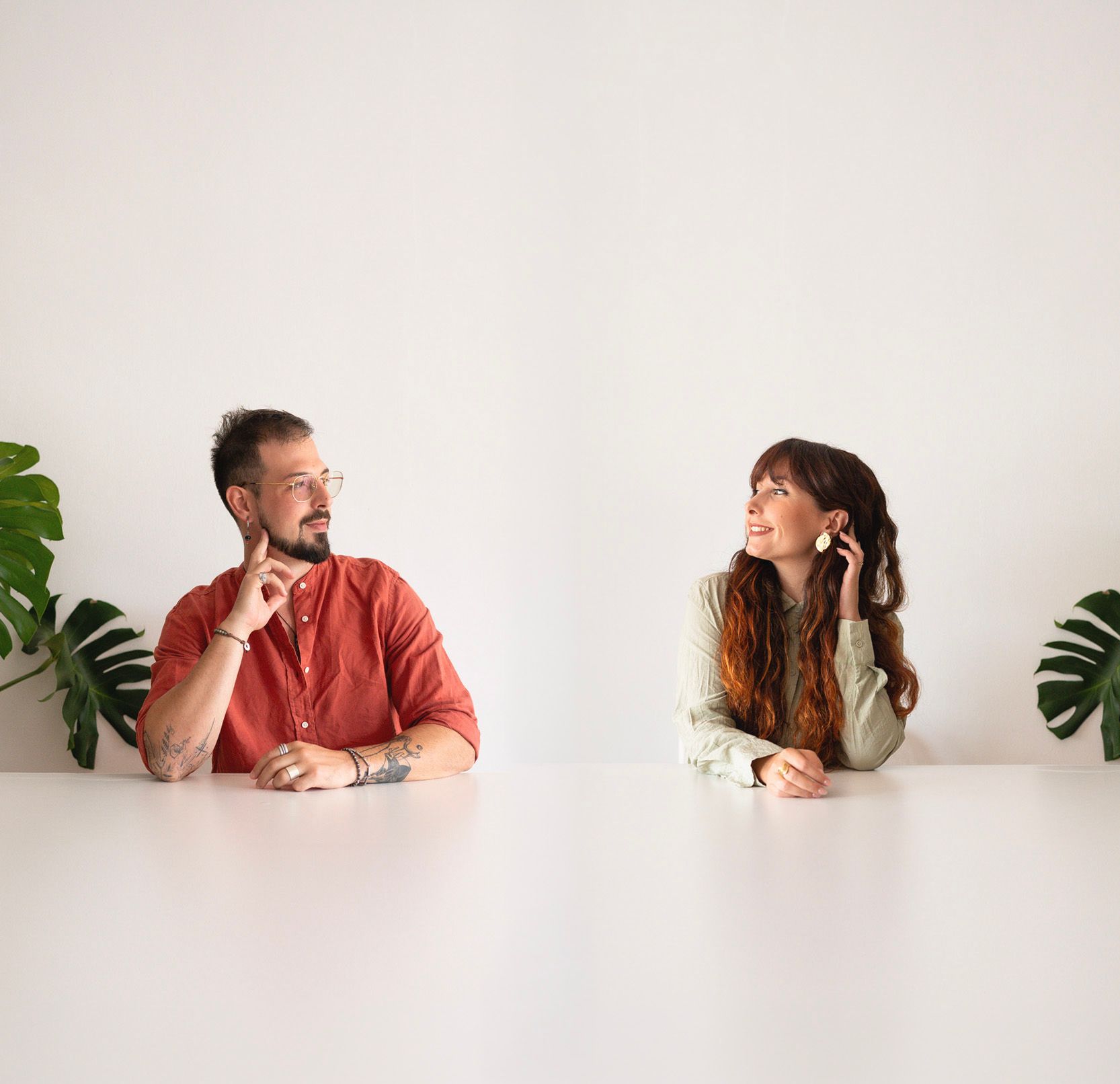
Aurora Bruno is the co-founder and creative director of Animah Ideas, a boutique retouching studio she runs together with her partner, Fabio. Originally from Sicily and now based in Tenerife, Spain, Aurora has built a career that has moved through photography, art direction, design and post-production before eventually bringing all of those disciplines together in retouching.
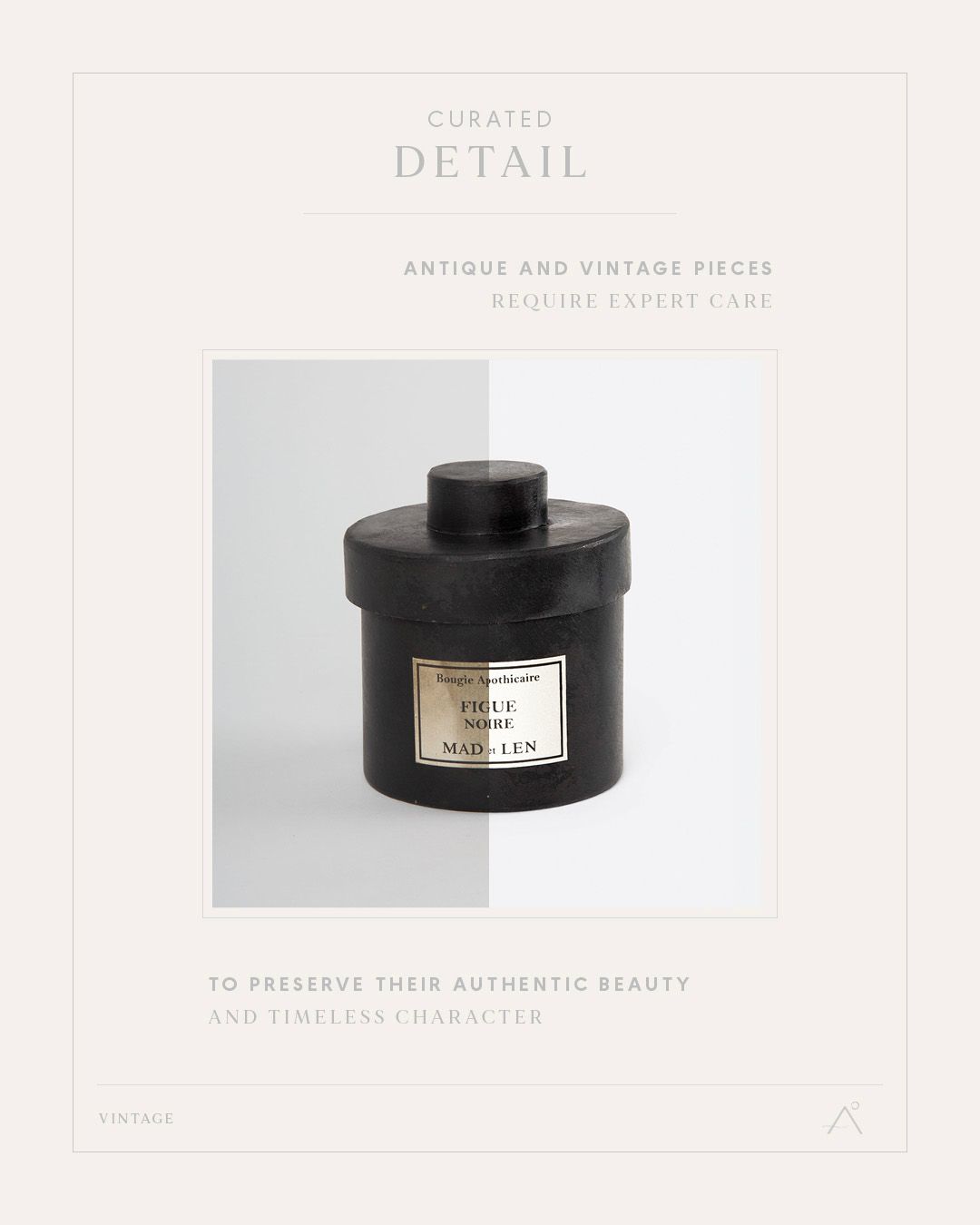
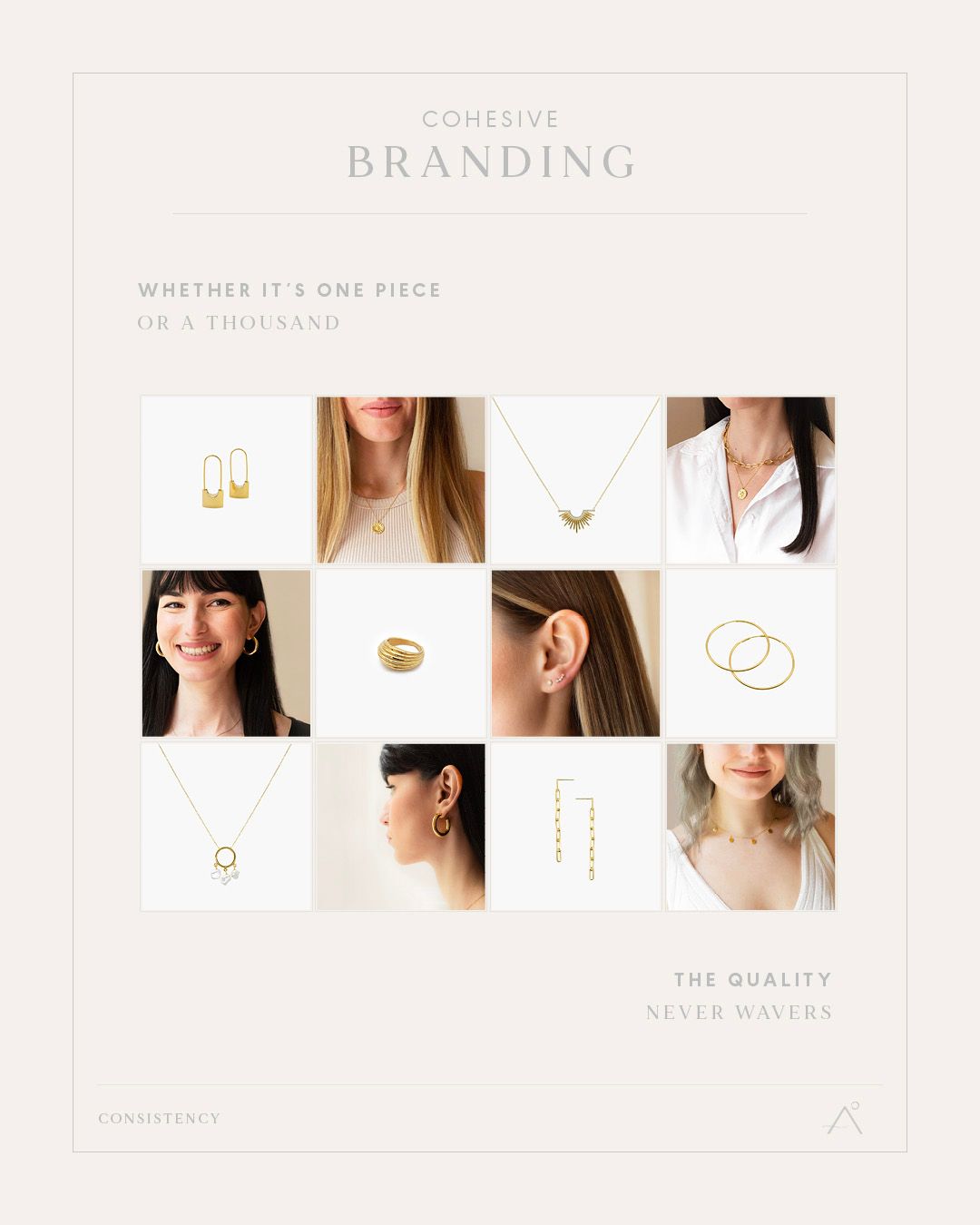
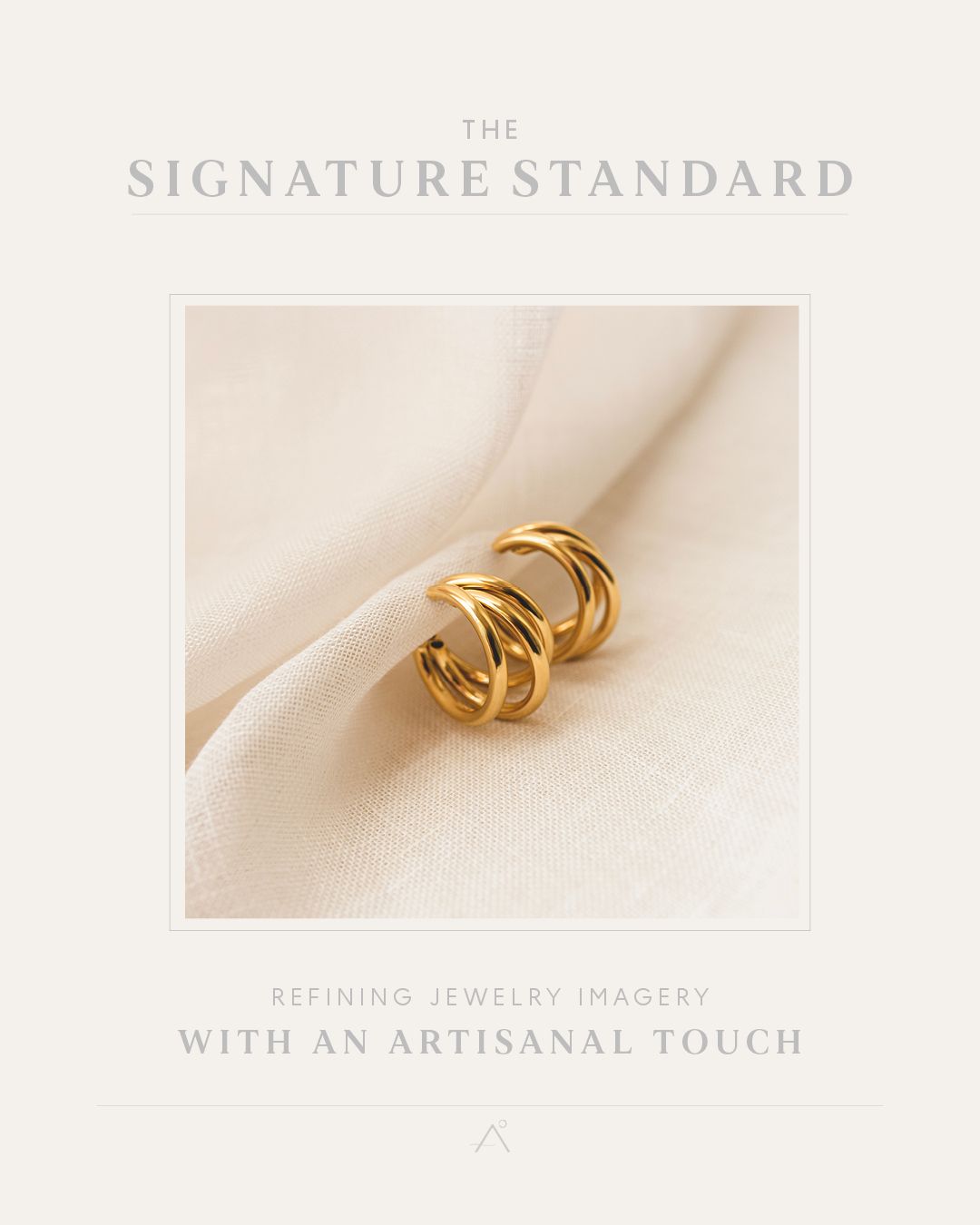
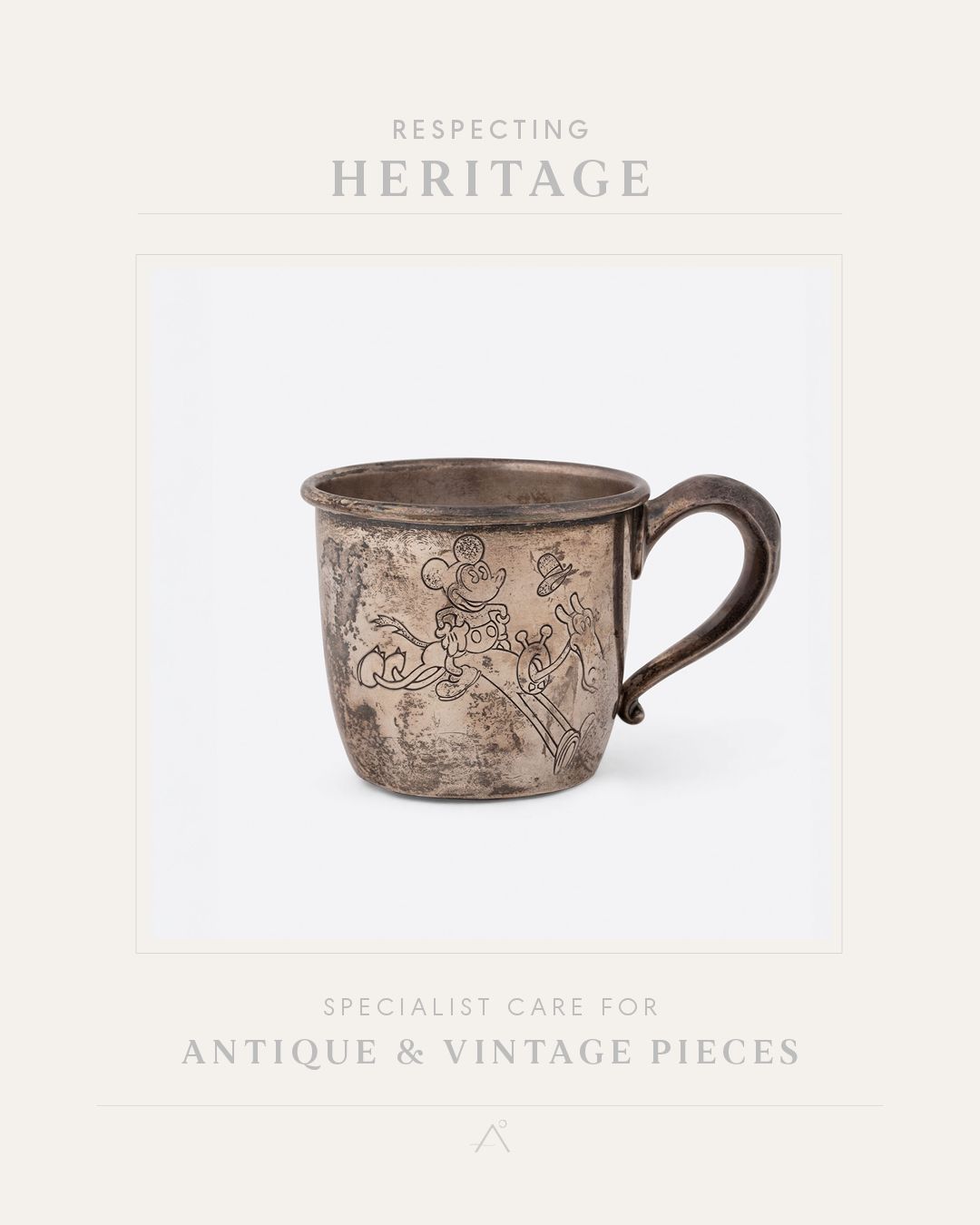
Today, Animah Ideas specialises in natural, refined retouching for jewellery and vintage products for clients around the world. Aurora's approach is grounded in a deceptively simple idea: before changing an image, understand what it actually needs.
For her, good retouching isn't about making everything flawless. It is about knowing what should change, what should remain, and how to enhance an image without losing the character, materiality and intention that made it interesting in the first place.
There is also a fitting story behind the studio itself. Aurora is Sicilian, Fabio is Sardinian, and the two met in the Canary Islands. Two islanders who met on another island and built something designed to travel far beyond it.
 BACK
Why Great Retouching Starts With Understanding What an Image Needs
Could you tell us a little about yourself and how you got into retouching?
I think I got into retouching almost without realising it.
I started as a photographer, and for many years photography was the main way I expressed myself creatively. During my academic years I was involved in exhibitions, personal projects and competitions, and later I worked as a freelance photographer, mainly shooting events, families and weddings.
Then I started working at a communication agency, where I discovered commercial and product photography. That was also when I realised how much I enjoyed being involved in the whole process behind an image. I wasn't interested only in taking the photograph. I liked coordinating and shaping all the different elements that contributed to the final result.
After a while, though, the agency environment started to feel restrictive. I wanted to explore, travel and find another way of working, so I left. That journey eventually brought me to the Canary Islands, where I met Fabio.
The pandemic became another turning point. Working from the islands with physical products made photography increasingly complicated, especially when products needed to be shipped back and forth. We started looking seriously at how creative work could be done remotely.
I eventually took an art direction and design role with a German company selling poster collections on Amazon. I was selecting concepts and visual references, researching imagery, creating compositions and overseeing post-production. We were working with photographs from many different photographers and environments, and one of the challenges was making hundreds of images feel visually coherent.
I realised how much I loved that process. I wasn't just thinking about taking a photograph anymore. I was thinking about how an image worked as a whole, and how colour, composition and post-production could completely change what it communicated.
At the same time, post-production had become a huge part of my own workload. With commercial and jewellery photography in particular, I was spending enormous amounts of time retouching under tight deadlines, and I was becoming completely burned out.
I tried outsourcing some of the work.
Honestly, it didn't work.
I found myself correcting almost every image that came back. That was when I understood something important. Retouching isn't simply about knowing Photoshop. You need to understand photography, light, materials, composition and, above all, the intention behind the image.
I realised that everything I had learned over the years, photography, design, art direction, colour, composition and visual research, had given me a particular way of looking at images.
Fabio and I eventually decided to build something around that idea, and that's how Animah Ideas came to life.
Today, retouching isn't something I do after the "real" work. It is the real work for us.
What made you decide to enter Retoucher of the Year this year?
My first thought when I was invited was very simple: "This is an opportunity. Let's see what it's about."
I've always been quite selective about competitions. During my academic years I took part in some, but what I valued most was the opportunity to receive genuine feedback from experienced artists and professionals rather than simply finding out whether I had passed or failed.
So I wasn't really looking for a competition.
But when I learned more about Retoucher of the Year and its goal of giving more visibility to the people behind the images, it resonated with me.
Retouchers can sometimes become almost invisible, not only in the image, but also within the industry. The invitation also arrived at a moment when I probably needed a little push to step outside my routine and put my work out there again.
So I thought, why not?
How would you describe your retouching style, and will it show in your competition image?
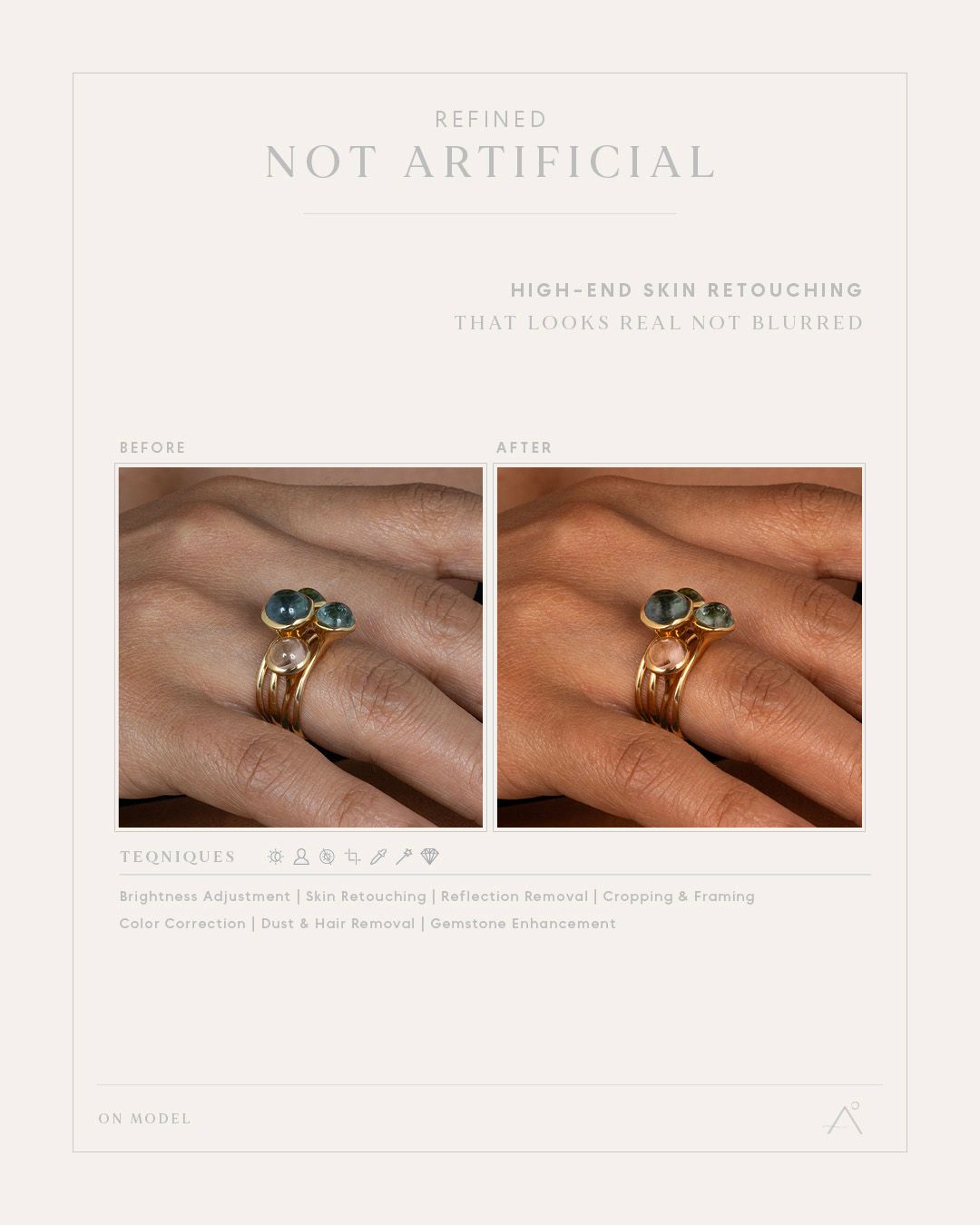
I would describe my approach as natural, precise and quite restrained, especially when I'm working with product photography.
I often think the best product retouching is the kind you don't notice. You should notice the product, not the retouching.
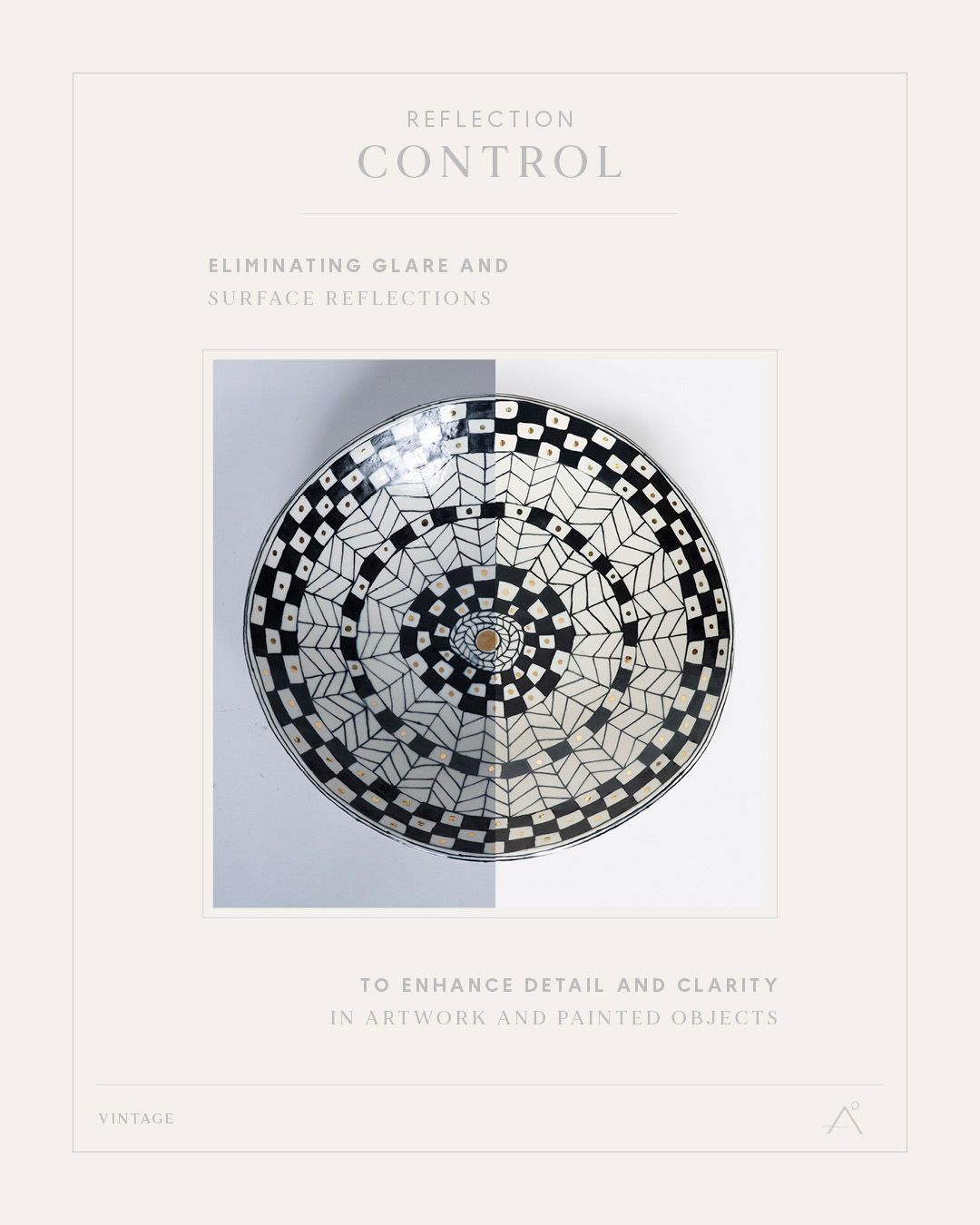
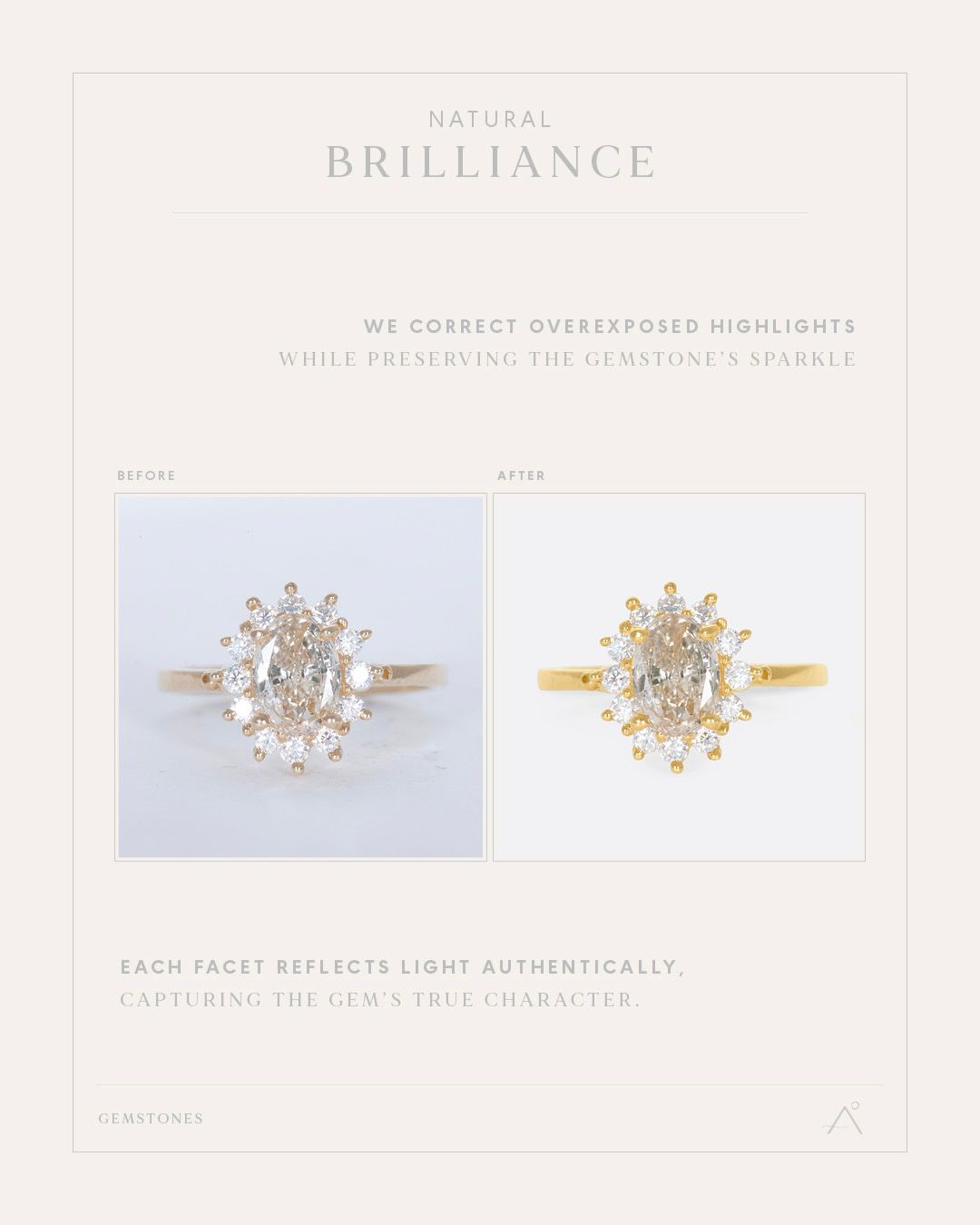
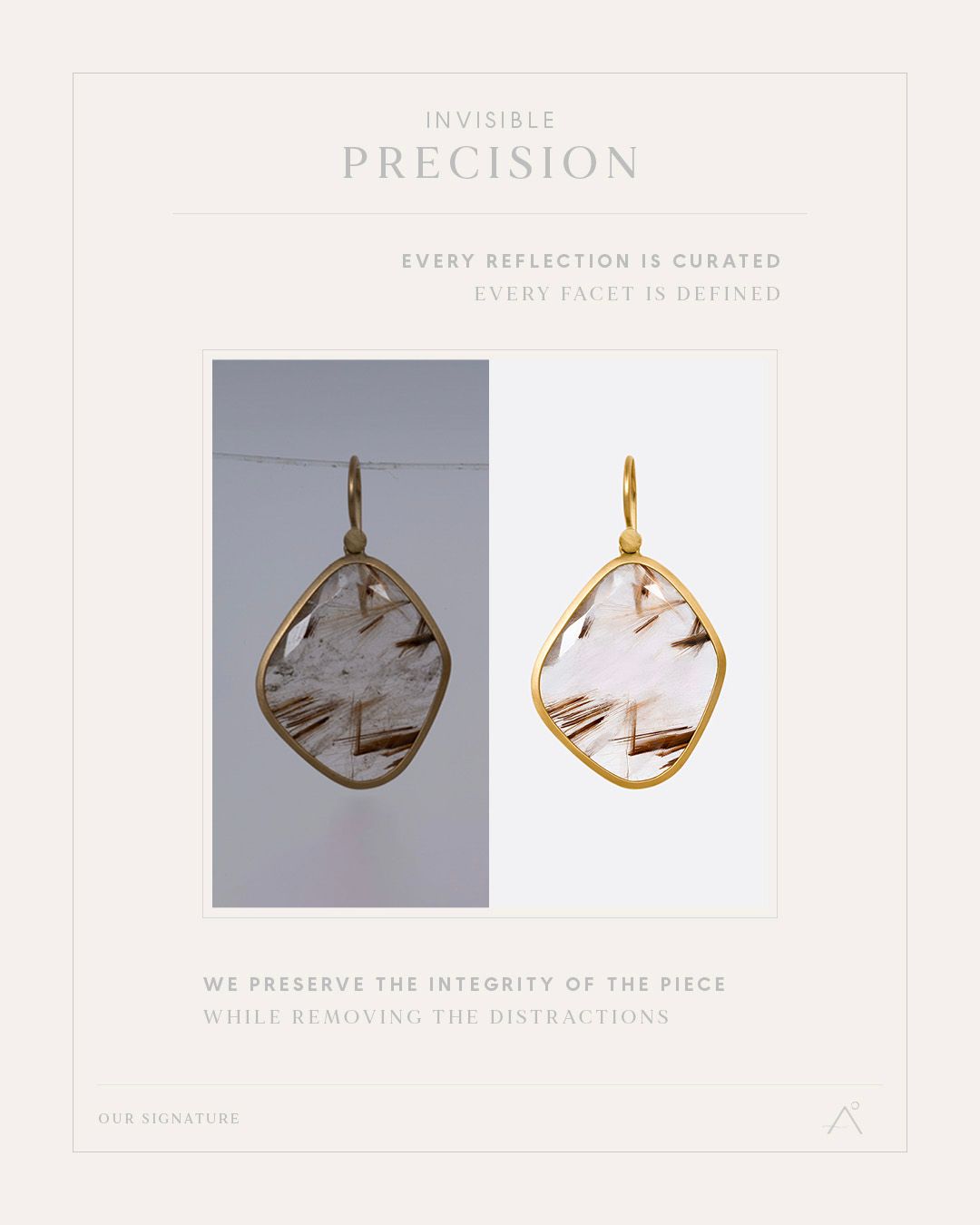
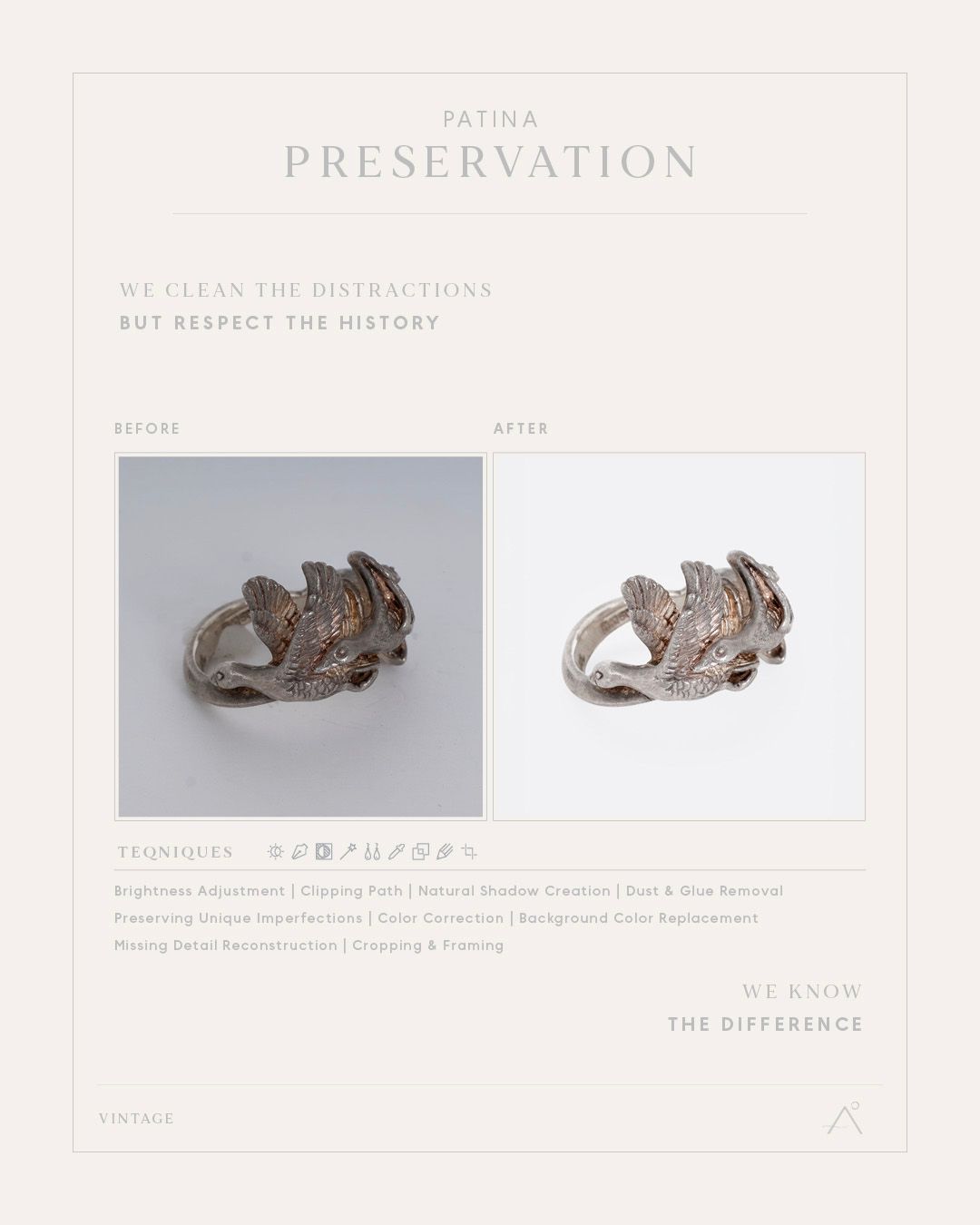
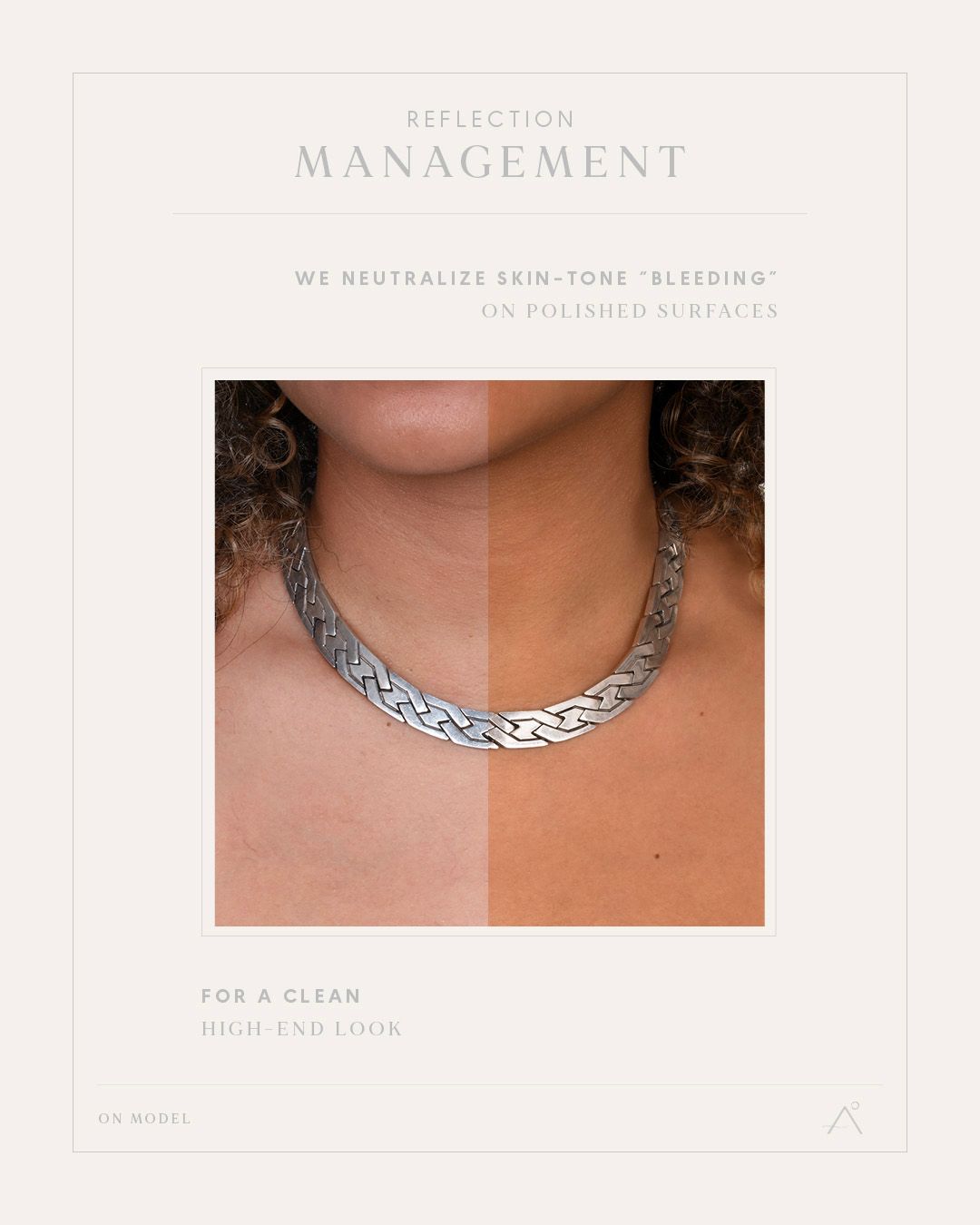
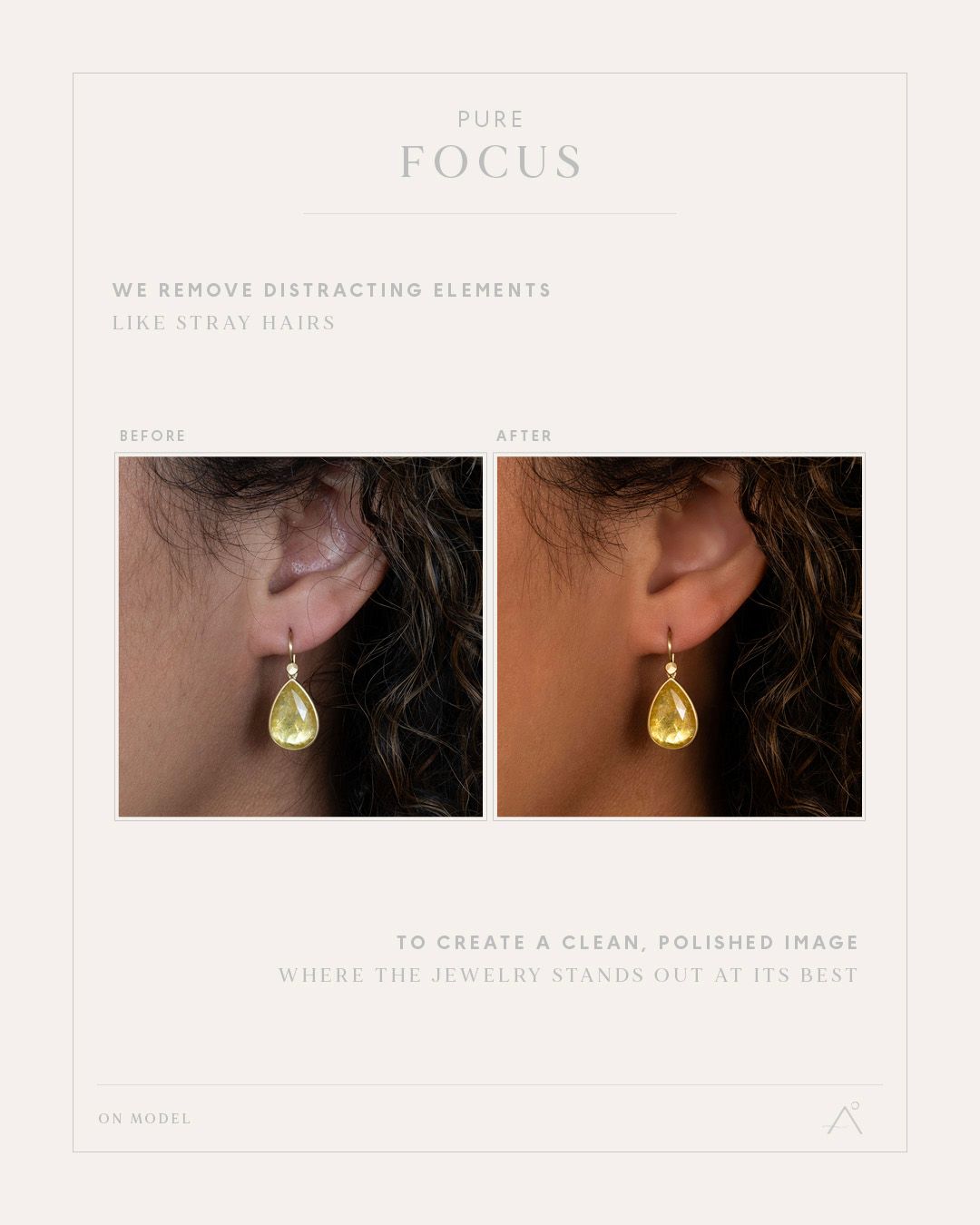
With jewellery in particular, I'm very careful about preserving the things that make a piece feel real: texture, small imperfections, patina, natural reflections and the way light actually behaves on the material.
But I also don't think a retoucher's style should mean imposing the same look on every image. The client's brief and expectations are always an important starting point. I want to understand what they are trying to communicate, what the image needs to achieve and what they consider important about the product.
We recently worked with a client producing titanium jewellery with very difficult colour and light gradients. They told us that nobody had managed to make the pieces stand out while keeping them "exactly like our products."
That is exactly the balance I'm looking for. Improving the image without making the product feel like something it isn't.
With the competition image, my approach will definitely be there, but probably not as a recognisable "style." It will be in the decisions I make, what I change, what I leave alone and how far I decide to push the image.
I don't want to make an image look like an "Aurora Bruno image." I want to understand what that particular image needs and make the strongest version of it.
Do you think good retouching should always be invisible?
No, and I think the distinction is important.
With product retouching, the work often should disappear. The viewer should believe the product rather than notice what has been done to it.
Creative retouching is a completely different story.
There, the retouching can become much more visible because its purpose is different. It can create a mood, contribute to an atmosphere or help tell a visual story. Colours can shift, textures can change and light can be transformed. Suddenly the same photograph can communicate something completely different.
I think there is something quite magical about that.
So my approach isn't really about making everything look perfect or making all retouching invisible. It's about understanding what the image is trying to communicate and knowing how far to take it.
What would winning an award validate for you today?
Winning would mean a lot to me, probably more than it would have a few years ago.
At the beginning of my career, I don't think I even saw retouching as a profession in its own right. It was simply one of the things I did as a photographer and creative.
Today, that's completely different.
I've chosen to build an entire company around retouching because I genuinely believe in the value of this profession. It's not just a technical service, and it's certainly not a mechanical or automated process.
Behind every retoucher there is a person making decisions. Sometimes those decisions are very small, sometimes they're fundamental, but they can completely change the way an image works.
Winning would therefore mean something on two levels.
Personally, it would be recognition of the work I've chosen to dedicate myself to. But it would also mean something for Animah Ideas. We are trying to position ourselves as a serious, specialised studio within this industry, and recognition from a competition like this would help give credibility to what we're building.
Perhaps most importantly, I would love for it to contribute, even in a small way, to changing how people see retouching.
Because when the work is done well, it can look effortless. Maybe that's exactly why it is so often underestimated.
What made Retoucher of the Year feel like a competition worth entering?
Because retouching still isn't always understood for what it really is.
There is sometimes a perception that it's simply the mechanical final step after photography. Something that can be automated, outsourced or reduced to following instructions.
That's not how I see it, and it's certainly not how we approach it at Animah Ideas.
A good retoucher is constantly making decisions.
What should stay? What should disappear? Is that reflection a problem, or is it part of the material? Is that imperfection something to remove, or is it part of what makes the object real?
Those decisions can be fundamental to the final image, even if nobody ever notices that they were made.
I think competitions like this are valuable because they create a space to talk about the people and the thinking behind the work, not only the final pixels.
For me, that's worth being part of.
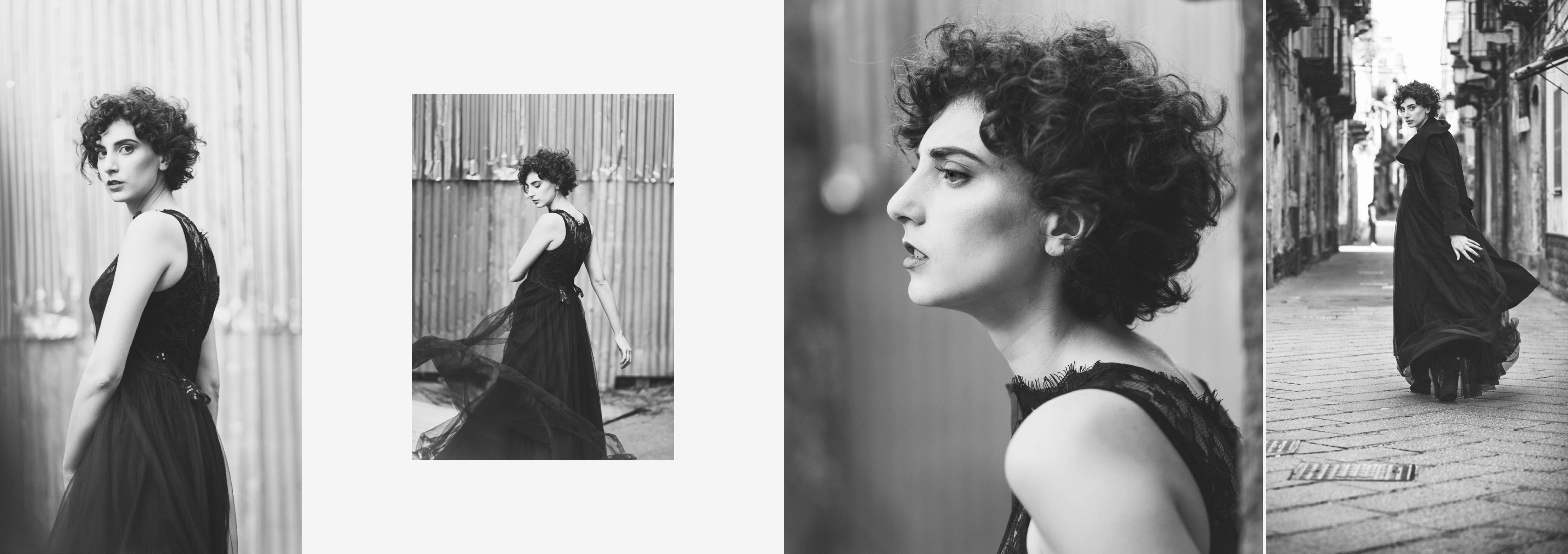
When you're given a source image, what's the first thing you look at before touching anything?
I try not to touch anything immediately.
First, I look at the image as a whole and try to understand what is already working, what isn't working and, most importantly, what is intentional.
I also look carefully at the client's specifications and expectations because those are essential to understanding the purpose of the image.
For product photography, especially still life, I check things like white balance and colour quite early. I want to understand what the actual product should look like, its true colour, material and overall appearance, before making decisions about the retouching.
I also think about the final composition early in the process. If I know how an image will be cropped or used, there's no point spending time retouching areas that will never be visible.
And before asking, "How can I fix this?" I often ask myself something much simpler:
"Why is this like this?"
Sometimes what looks like a problem is actually a deliberate photographic choice.
Retouching is often invisible by design. How do you feel about visibility and credit?
I actually find the idea of invisible retouching quite interesting.
When product retouching is done well, the viewer isn't supposed to think, "Wow, what amazing retouching." They're supposed to look at the jewellery and simply believe that this is how the jewellery looks.
That's part of what makes the profession difficult to explain. The better you do your job, the less people may realise how much work went into the image.
But there is a difference between the retouching being invisible and the retoucher being invisible.
I don't think retouching needs to announce itself in a product image. But I do think the person behind that invisible work deserves recognition.
That's one of the things I like about this competition. It doesn't ask the retouching to become visible inside the image. It makes the person and the craft behind the image more visible.
A photograph is rarely the result of one person alone. Photographers, art directors, retouchers and many others can all contribute to the final image. I think recognising those contributions matters.
Beyond technical ability, what really determines whether someone builds a lasting career in this industry?
Curiosity and the ability to keep learning are essential, especially now.
The industry is changing very quickly, particularly with AI, and I understand why some retouchers are worried about being replaced. But I'm not convinced that the answer is to be afraid of the tools. I think the important thing is learning how to use them while still understanding what you're doing.
AI can be incredibly useful, but it still needs someone who can look at the result and ask: Is this actually right? Does it make sense for this image? Does it respect the material, the story and the intention behind it?
Try asking AI to retouch an old vintage photograph. It may produce something technically impressive, but it can also completely misunderstand what makes that photograph valuable. It might clean away the texture, small imperfections and signs of age. In other words, the very things that give the photograph its character and history.
That's where human critical thinking is still incredibly important.
I don't think the future is about humans versus AI. I think it will be about people who know how to use new tools without giving up their own judgement.
Technology can execute an instruction. Understanding why something should or shouldn't be changed is something different.
For me, a lasting career isn't about knowing one specific tool forever. It's about staying curious, adapting and learning while developing enough experience to know when not to use the tools available to you.
Retouching is often described as a solitary craft. How do you keep yourself creatively connected?
I actually like the solitary side of retouching.
There is something I really enjoy about concentrating completely on one image without distractions. Once I get into the work, I can almost lose track of time.
For commercial retouching, when I have a clear brief and know what needs to be done, I can put on a playlist, open Photoshop and just get into it. Sometimes my fingers are almost dancing on the keyboard like I'm playing a piano.
There is something very calm and almost meditative about that process for me.
But working with Fabio has changed the idea of "solitary work" quite a lot.
We work side by side, so even when I'm deeply focused on an image, I can turn around, show him something and get a reaction with just one look. Sometimes we don't even need to explain much to each other.
We're both quite demanding and picky, and we're probably each other's first critics. So there is always someone nearby who can say, "No, look at this," or simply give me that one look that tells me something isn't quite right.
For creative retouching, inspiration works differently. When I have more freedom, I look for references in books, do specific visual research and often create moodboards. I want to understand the atmosphere I'm trying to create before I start.
So inspiration comes from both sides for me: from being completely alone with an image and from having someone beside you who can see something you didn't.
If you could change one thing about the way clients and creatives work together, what would it be?
Clearer communication about expectations.
A retoucher can do a very good job technically, but if the client and retoucher have completely different ideas about what the final image should look like, there will always be a problem.
The difficulty is that clients aren't always able to formulate exactly what they want. Sometimes they simply know that something isn't right, but don't necessarily know how to describe what they want instead.
That's why at Animah Ideas we try to bring all of our experience into that conversation, not only our experience as retouchers. Because Fabio and I also come from photography, art direction and design, we can help a client understand what they're actually trying to achieve and translate a vague feeling into something more concrete.
I also understand this very well from the photographer's side.
When you've taken the photograph yourself, there can be an attachment to it. Almost a feeling that nobody else can edit it exactly as you would.
That's completely understandable. But when you find the right person to work with, what you gain isn't someone taking control of your image.
You gain time.
Time you can put back into shooting, creating and meeting clients, or simply time to spend with your family.
For me, good collaboration isn't about taking someone's image away from them. It's about helping them keep ownership of their vision while taking one part of the workload off their shoulders.
When a client pushes back on something you feel strongly about, how do you handle it?
The first thing is to understand whether we're actually disagreeing about the image or simply using different words to describe what we want.
If I feel a client's request could weaken the image, I don't think my job is simply to say no. I try to explain why I think it could be a problem and, if possible, suggest an alternative that gets closer to what they want without compromising the image.
But my role isn't to win an argument.
The client has a vision, and I have my experience. Sometimes I may be seeing something from the technical or visual side that they hadn't considered. Sometimes the client is simply right.
Especially when the client is a photographer, I understand that the image is personal. They may have spent hours thinking about the lighting, composition and mood before we even receive the file.
The goal isn't to impose my taste. It's to understand what they're trying to achieve, bring my experience into the process and find the best way to get there together.
When that works, collaboration becomes really valuable. The client doesn't lose ownership of the image, but they also don't have to carry the entire post-production process alone.
Looking back at where you started, what is the biggest thing that has changed about the way you think about an image?
Today, I don't think only about what I can do to an image. I think much more about what the image actually needs and what it doesn't need.
When I was younger, I was very focused on creating the image. Now I'm equally interested in understanding it.
With retouching, you can always make something sharper, cleaner, brighter, smoother or "more perfect."
But that doesn't necessarily mean you've made the image better.
Sometimes you have to stop and ask yourself whether you're actually improving the image or simply changing it because you can.
I think all the different stages of my career somehow led me here. The more conceptual side of my early creative work, photography, design, art direction and now retouching don't feel like completely separate things anymore.
They all taught me different ways of looking at an image.
Maybe that's also why I don't think creative careers have to follow a straight line. Sometimes you only understand why you took a certain direction much later.
I'm still curious about what comes next. And I actually like not knowing exactly what that will be.
When the competition is over, what would make you look back and feel that entering was worthwhile?
For me, the most valuable thing would be learning something.
I would love to receive honest feedback from experienced professionals who come from different backgrounds and have different ways of seeing an image.
Even if the result isn't what I hoped for, if I come away having learned something, discovered something about my own work or simply challenged myself in a way I wouldn't normally have done, then it was worth entering.
And honestly, being able to have this interview and present my work, my story and the reality we've built with Animah Ideas is already valuable to me.
It's not something I would normally stop and do. Having the opportunity to talk about our work and the way we approach retouching is meaningful in itself.
So even before knowing the final result, I already feel that entering has given me something.
A final note from us
Aurora's journey into retouching was anything but a straight line, and perhaps that is precisely what gives her such a considered way of looking at an image. Photography taught her to create it. Art direction and design taught her to understand how its elements work together. Retouching eventually became the place where all of those ways of seeing could meet.
What stands out throughout her answers is the importance she places on asking why before asking how. Why is that reflection there? Why does that imperfection exist? Why does this material behave this way? And does changing it actually make the image better?
Her distinction between making something more perfect and making it better feels particularly relevant at a time when increasingly powerful tools make it possible to change almost anything.
Aurora and Fabio built Animah Ideas from two islands, after meeting on a third, and today their work travels to clients around the world. It seems fitting that the next part of that journey brings Aurora here.
We are increadibly honoured to welcome Aurora Bruno as a participant in Retoucher of the Year 2026.
About Aurora Bruno
Primary Specialization: Jewellery, Product and Commercial Retouching
Studio: Animah Ideas, Pro Photo Retouchers
Based in: Tenerife, Spain
Website: prophotoretouchers.com
Instagram: @animah.ideas
LinkedIn: linkedin.com/in/aurora-bruno-925100141/
Verified Retoucher Database
We are building a global, skill-verified retoucher database.
A platform where professional standards are documented, structured and transparent.
Skill-verified means professional standards are demonstrated, not claimed.Assessment is category-specific and based on structured test retouching.
Results are measured, scored and displayed transparently on each professional profile.
Secure early access and priority review ahead of public launch.