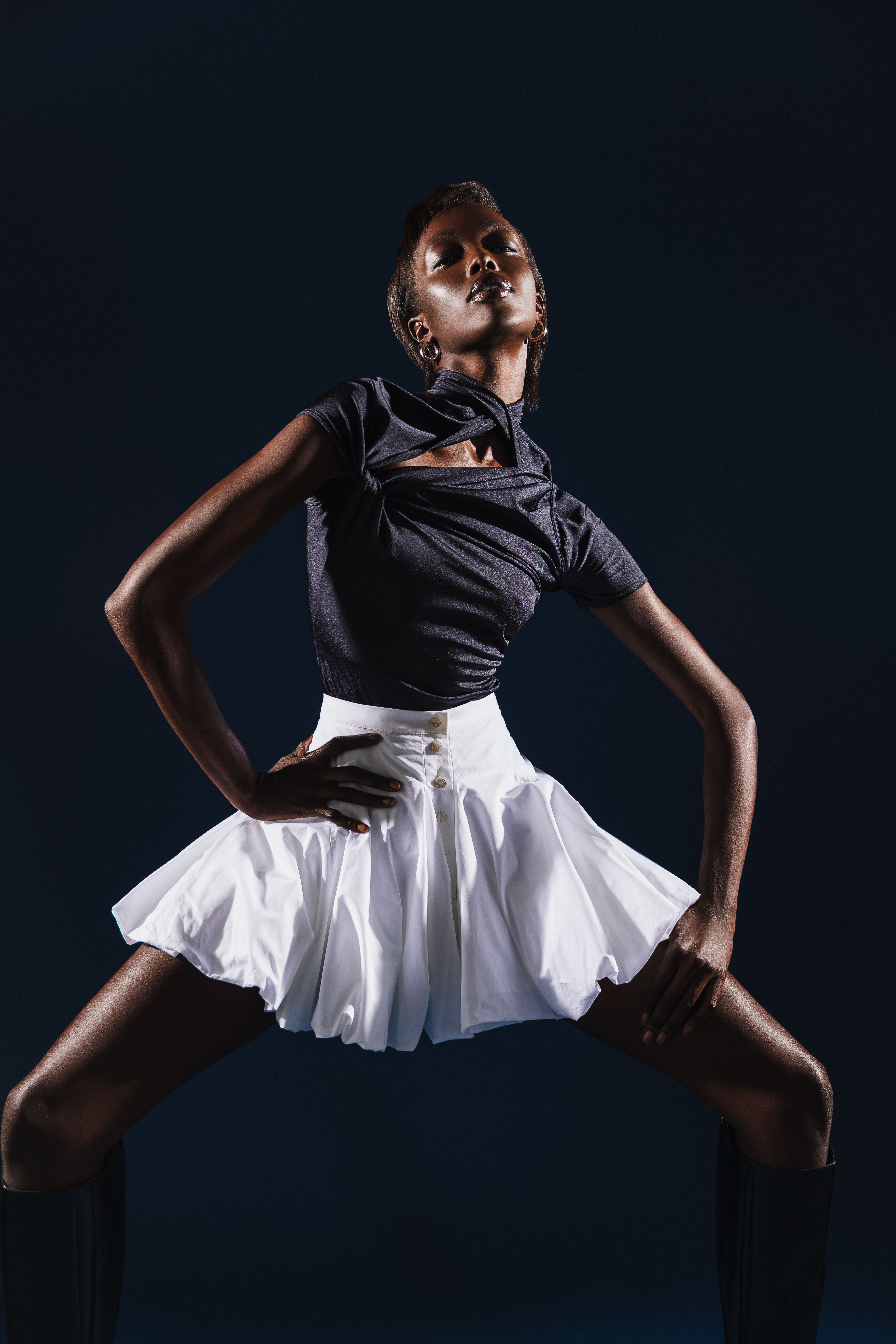
Meet the Participant
Olga Khmyz

by Stephanie van der Stap
October 02, 2026 | 7 min read
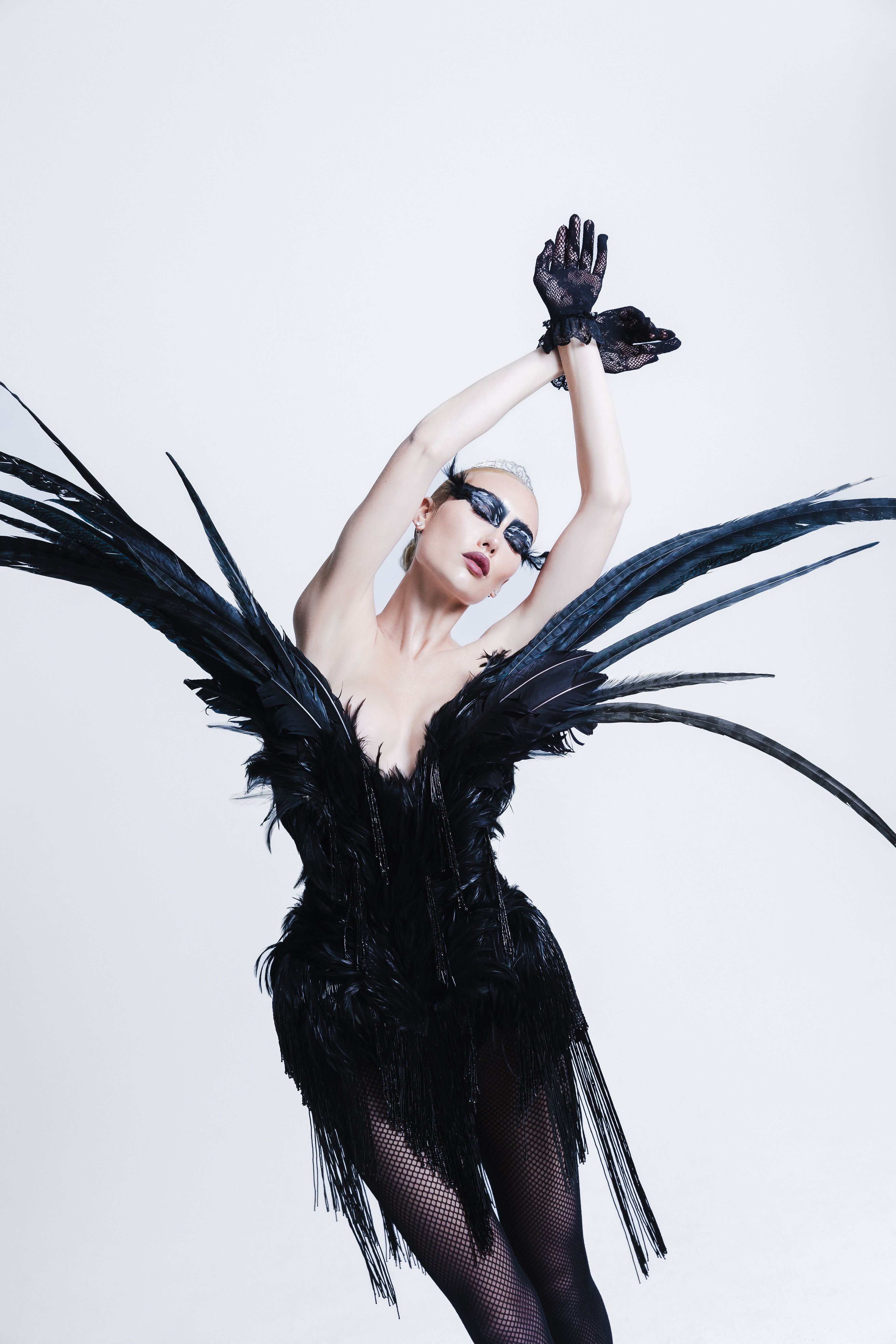
As part of our Retoucher of the Year participant series, we're sharing the stories behind the people entering this year's competition.
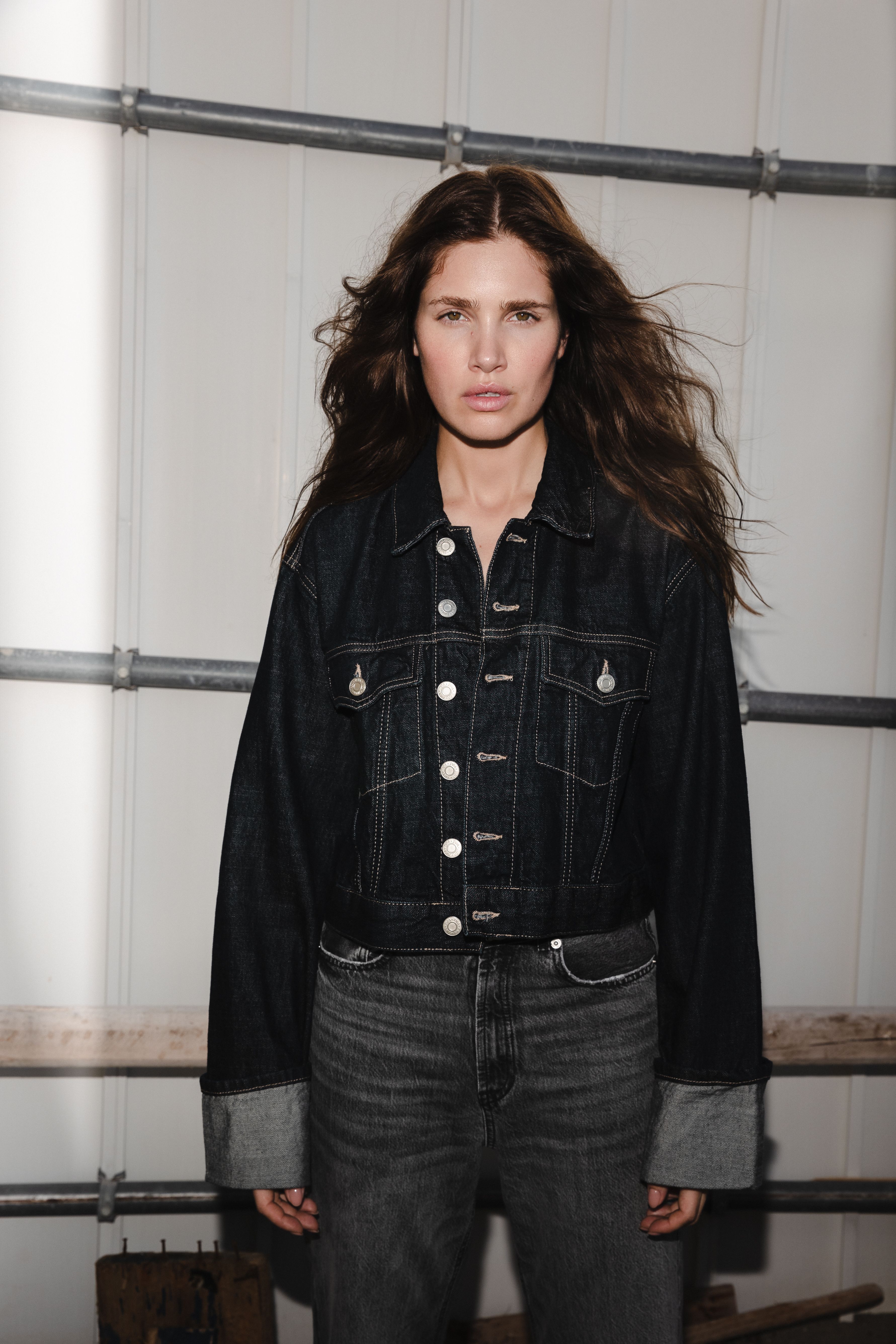
Olga Khmyz is a professional fashion and beauty retoucher with over 15 years of experience in photography and post-production, specialising in editorial, commercial, and campaign imagery. Her work has appeared in Vogue, Rolling Stone, Forbes, WWD, Glamour, and a range of other international publications. With a background spanning both photography and graphic design, she approaches retouching not as the final technical stage of a process but as an integral part of image-making itself - guided by visual judgment, restraint, and a constant search for balance.
 BACK
Why She No Longer Sees Retouching Primarily as Correction
Could you tell us a little about yourself and how you got into retouching?
I started photographing in 2008, while I was studying finance at university. Photography was something I was doing alongside my studies, but it gradually became a much bigger part of my life. I was photographing people, learning through practice, and spending more and more time not only on the shoot itself but also on what happened to the image afterwards.
In 2012, I started a second degree in graphic design. I continued photographing while studying composition, color theory, contrast, visual hierarchy and the way different elements work together inside an image. That period was probably when everything came together for me.
I realised that I was much more interested in the post-production side than in being behind the camera. I liked photography, but the part I kept coming back to was the image after the shoot - the decisions around skin, color, light, balance, detail and how far an image should be pushed.
Retouching was not a sudden switch. It grew out of photography, and then graphic design gave me another way of understanding images. Photography taught me to read light, faces and the logic of the original frame. Graphic design taught me to think about composition, color, contrast and visual balance. Retouching became the place where those two ways of seeing naturally came together.
How would you describe your retouching style?
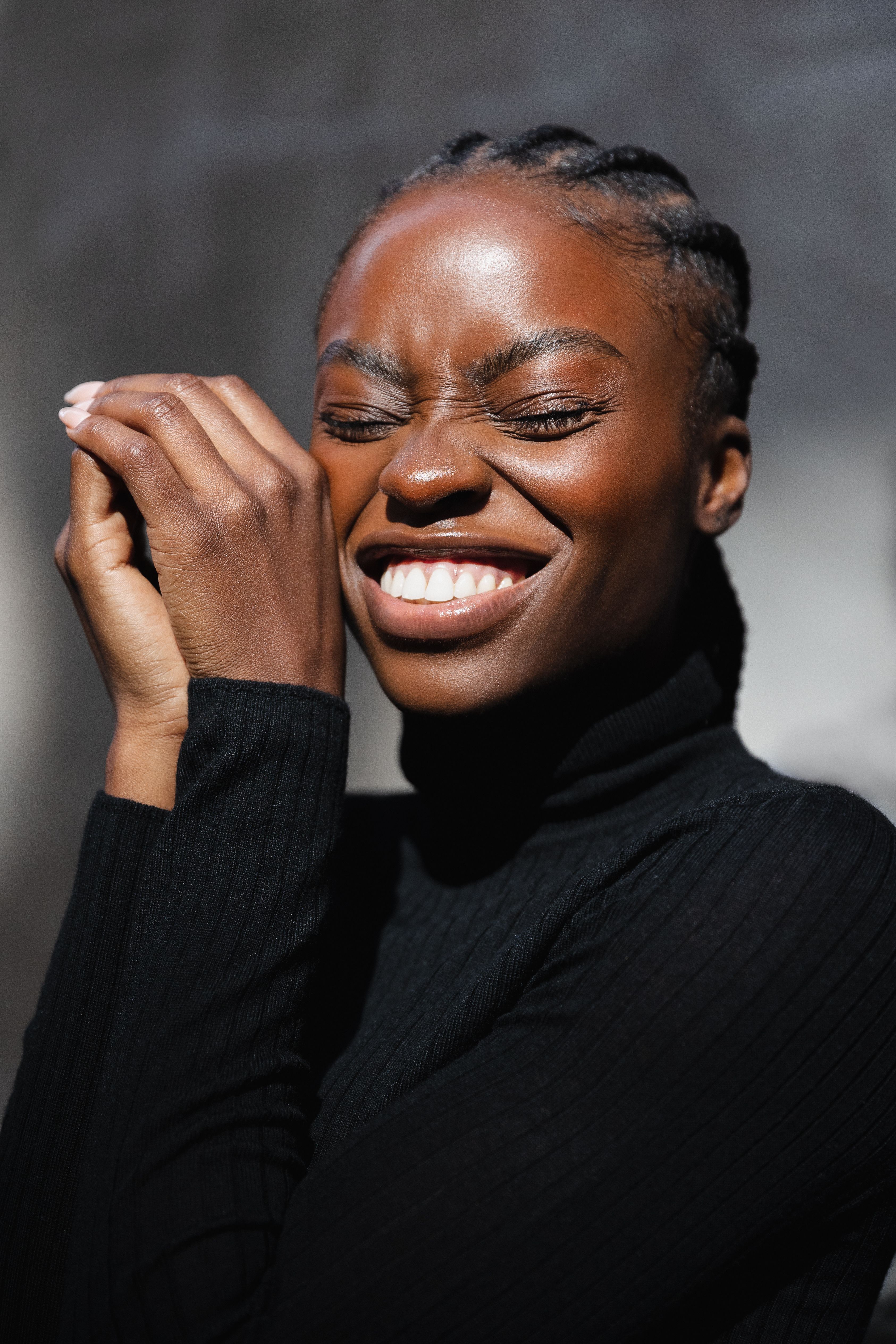
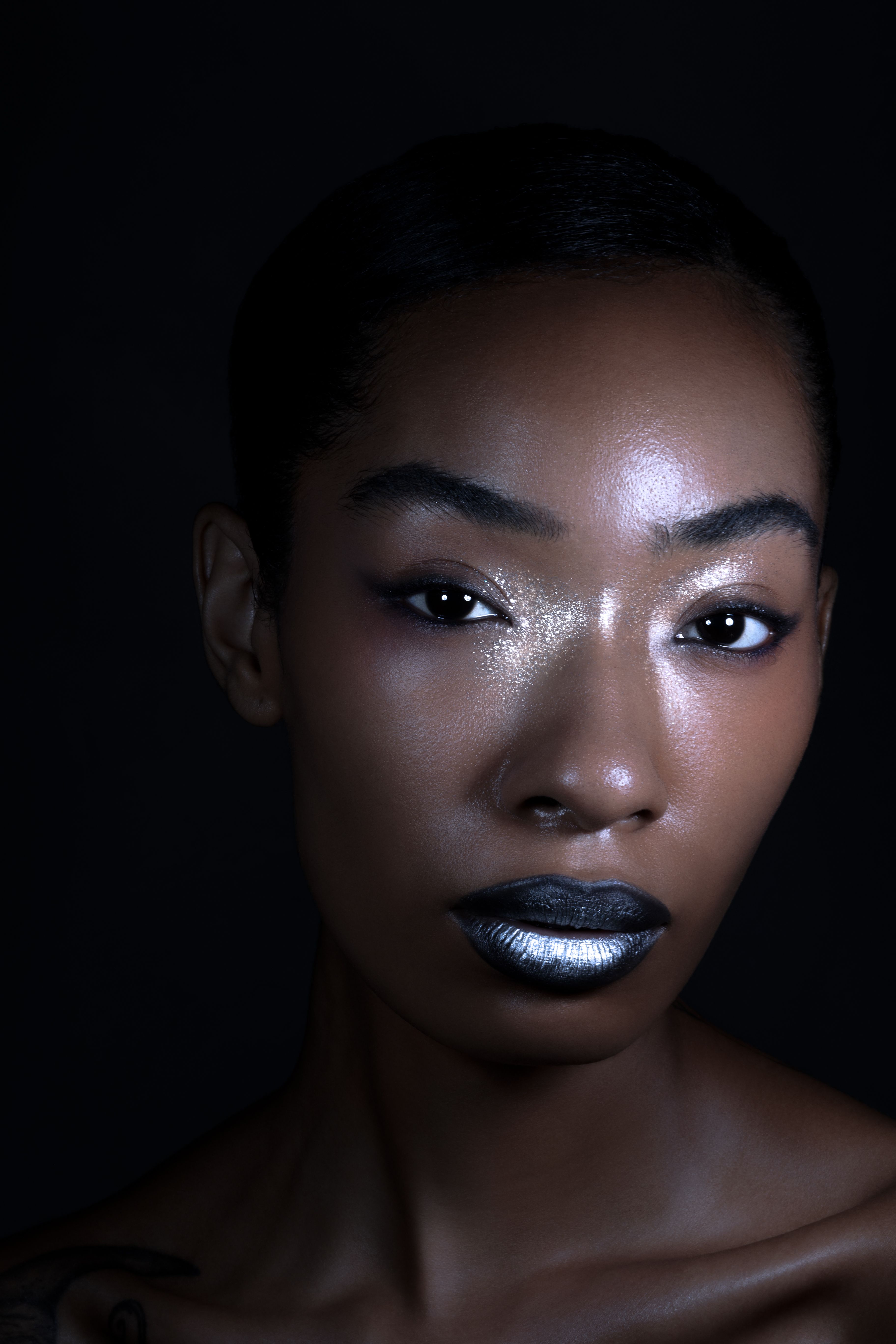
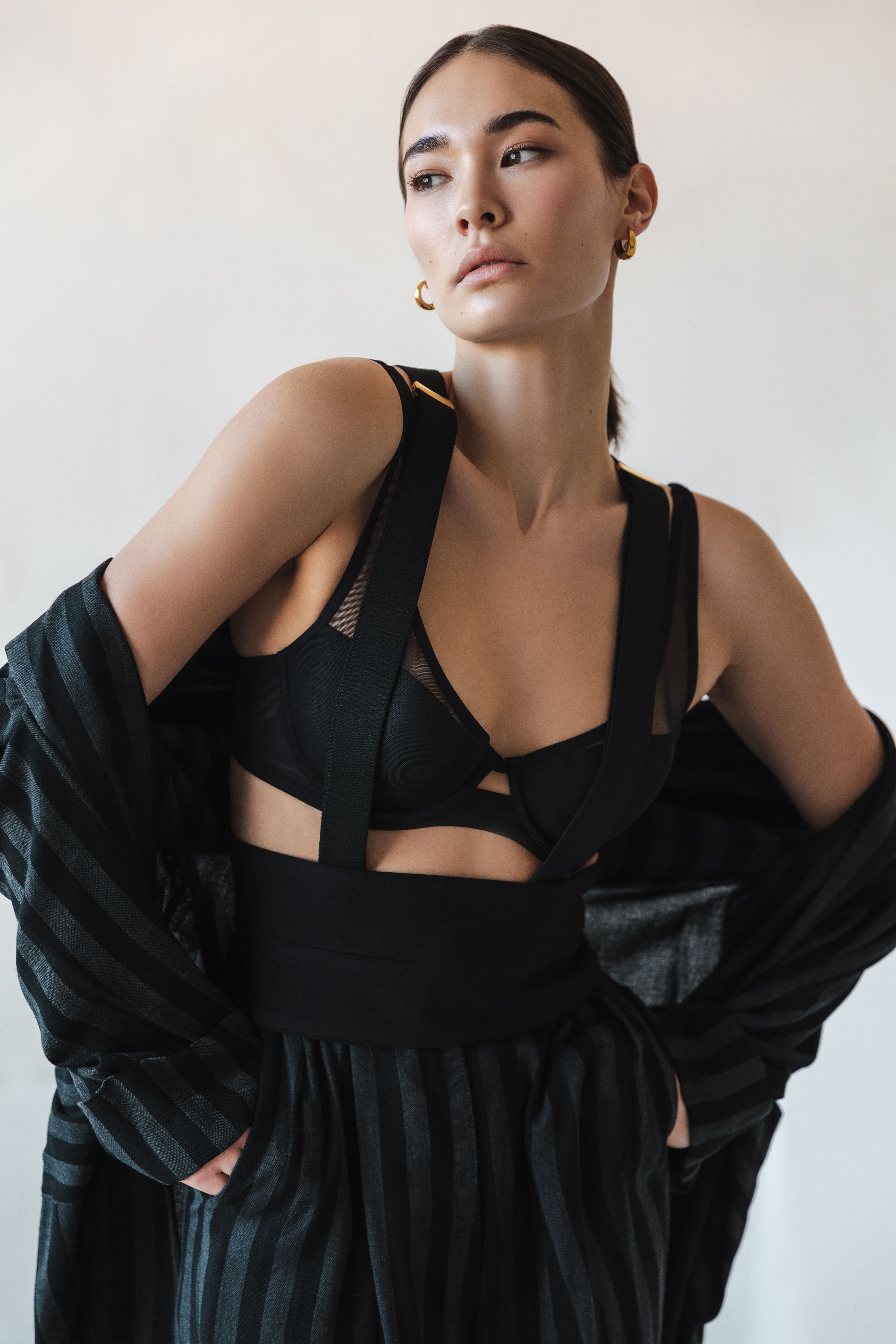
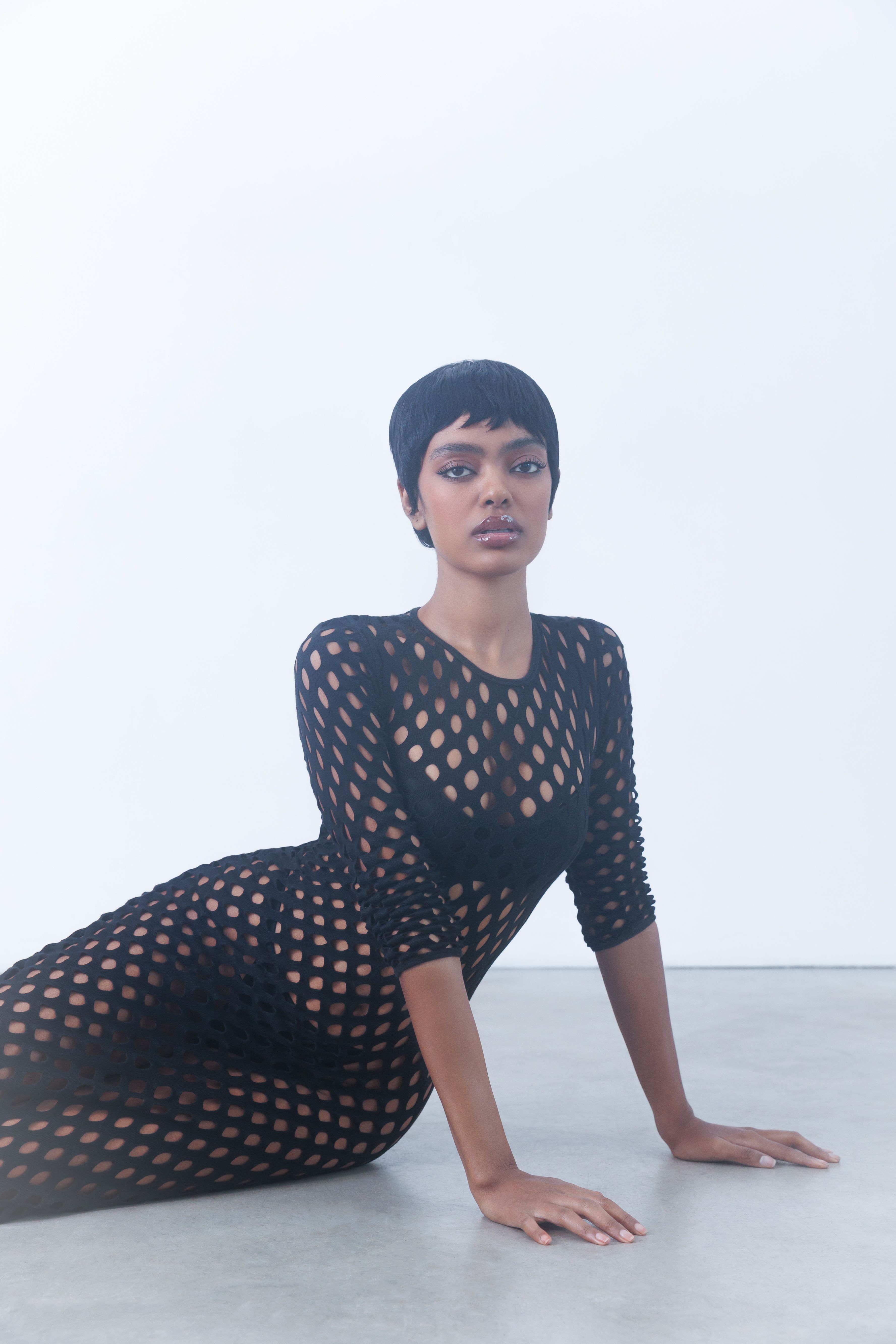
Less as a visible look and more as a way of making decisions. I care a lot about natural skin, accurate color, image quality and consistency, but I try not to impose the same finish on every photograph. Different images need different levels of polish, different contrast, different treatment of texture and different amounts of intervention.
What is probably most consistent in my work is restraint. I try to understand what is already working in the image before I start changing it - and I try to correct what is actually distracting without removing the things that give the photograph character.
I don't want the image to look like my style. I want it to feel resolved within its own visual language and within the brief.
What made you decide to enter Retoucher of the Year?
I first came across the competition a couple of months before registration closed, and I kept coming back to it. I read the rules, followed the updates, looked at the format and thought about entering more than once. This is my first competition of this kind, and I had a lot of hesitation around it.
I am used to being judged within a real working context - a client, a photographer, a brief, feedback and an ongoing conversation. A competition feels different. You make your decisions, submit the work, and let it stand on its own.
There was no dramatic moment. I simply realised on the last day of registration that if I didn't enter, I would probably regret not finding out what I could do in that setting. So I registered on the very last day.
When you open a source image for the first time, what do you look at first?
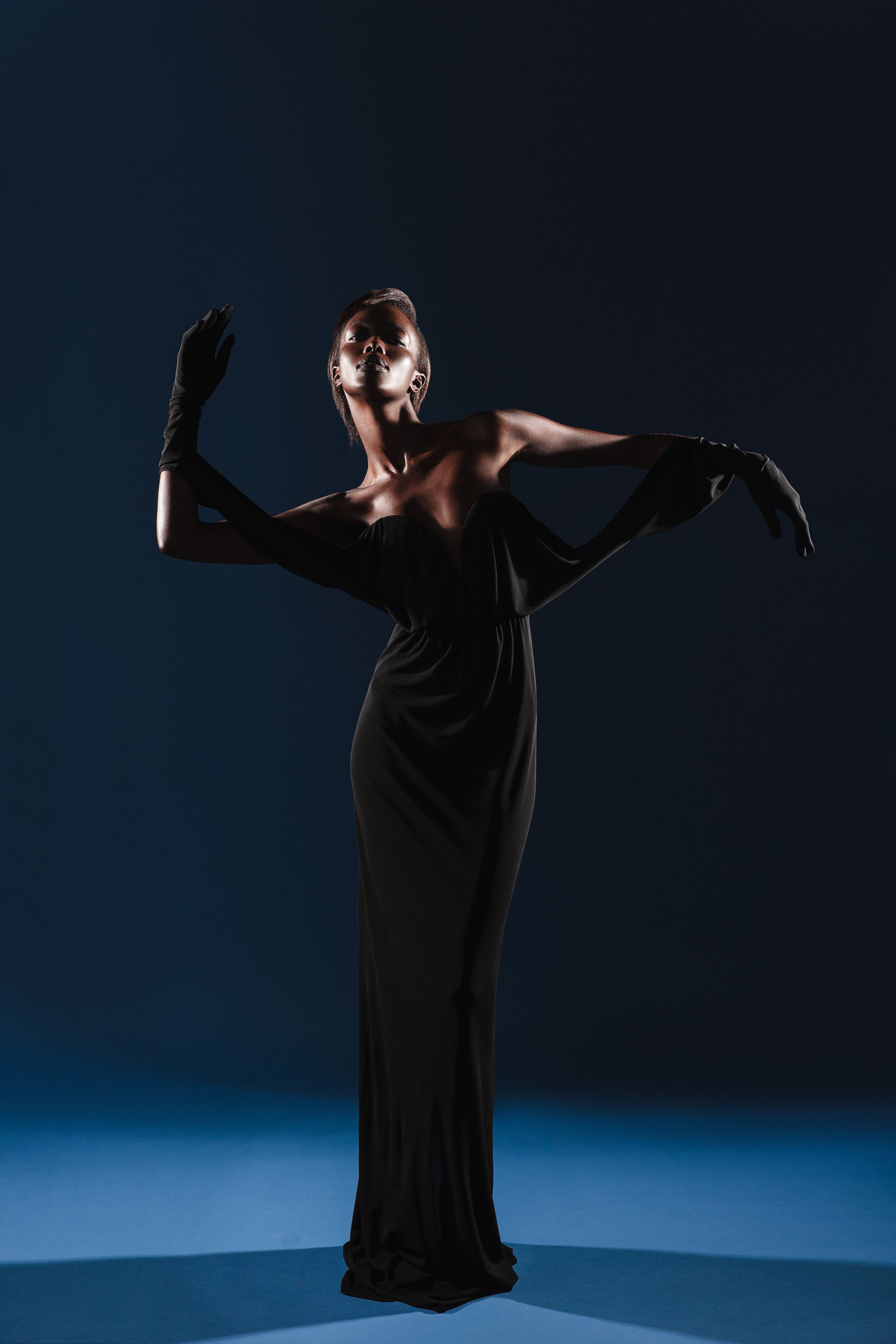
I look at the photograph as a whole before I start looking for problems. First I try to understand the light, composition, expression, styling, color relationships and where the eye naturally goes in the frame. I want to understand what is already working before I decide what needs to change.
Only after that do I start looking at individual details. A technically correct correction can still weaken an image if you misunderstand the role that detail was playing. A shadow may be giving the face structure. An uneven area may belong to the light. A small irregularity may be part of what keeps the image believable.
So the first question for me is not "What should I fix?" It is "What is this image already doing, and what should I be careful not to disturb?"
Retouching is often invisible work. How do you feel about that?
I have always understood that a good retoucher is not supposed to compete with the image. Ideally, the viewer should not be thinking about the retouching at all. In that sense, invisibility is part of doing the job well, and I actually like that aspect of the profession.
But there is another kind of invisibility I think about differently. A retoucher can spend years contributing to campaigns and editorial work while remaining almost completely absent from the public record. Sometimes there is an NDA. Sometimes there are no post-production credits. A portfolio can therefore represent only a small part of an actual career.
That is why credit matters more to me now than it did earlier. Not because I want retouching to become more visible inside the image, but because I think the people who contributed to making that image should be visible around it.
I think there is an important difference between invisible technique and an invisible profession.
Beyond technical ability, what really determines whether someone builds a lasting career in this industry?
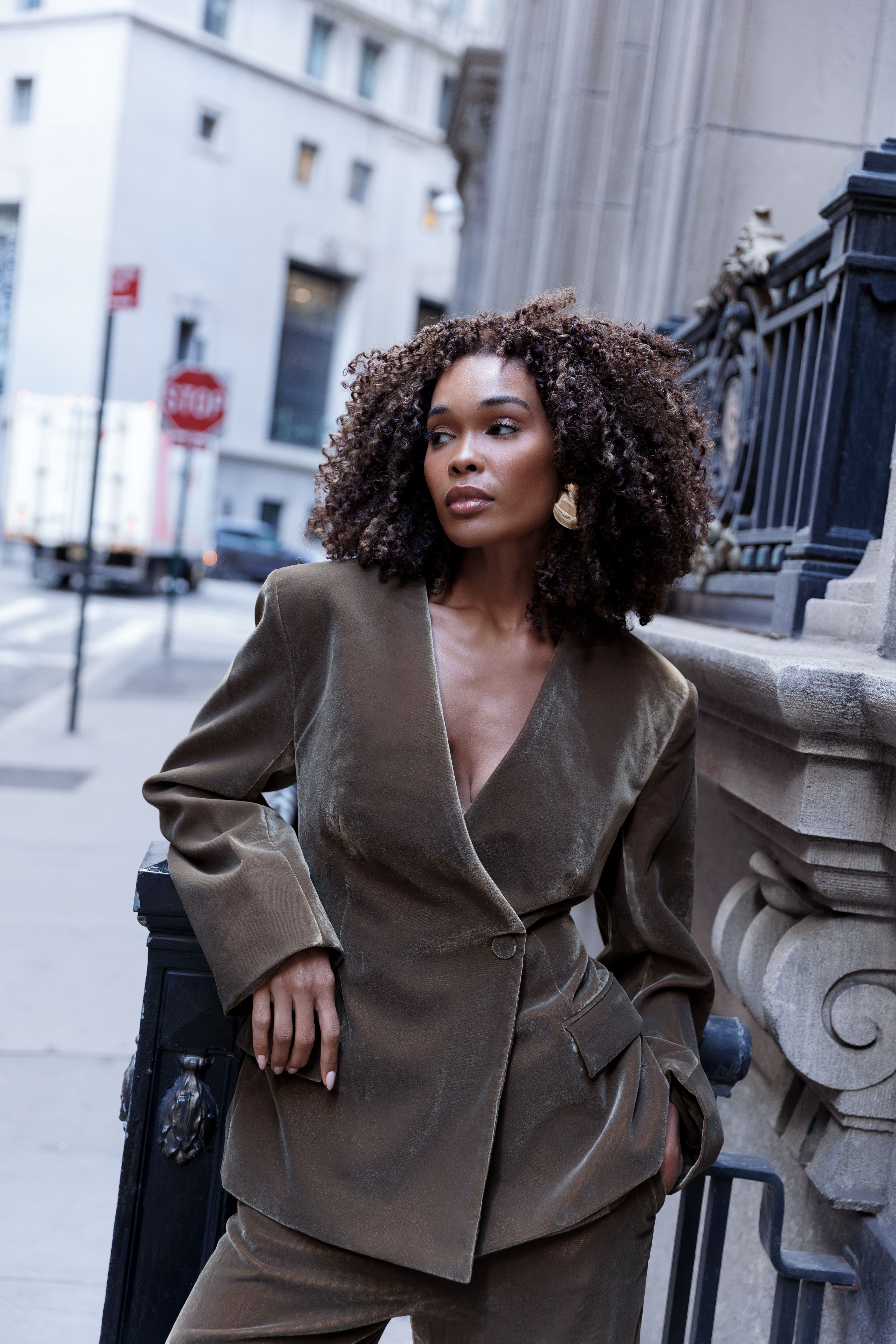
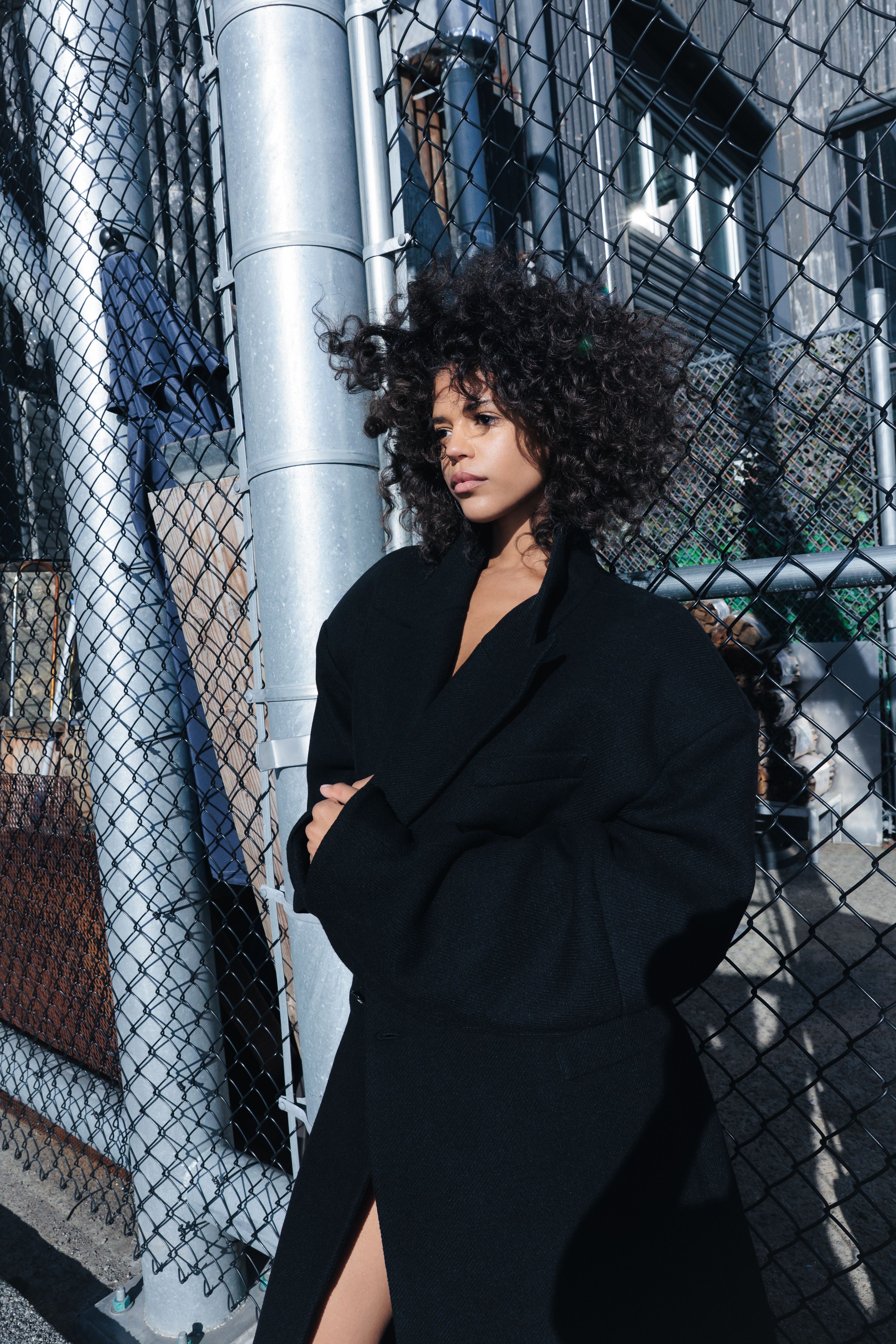
Reliability, judgment and the ability to work well with other people matter just as much as technical skill. Clients need to know that you understand the brief, meet deadlines, communicate clearly, handle feedback professionally and make decisions that support the image rather than your ego.
Consistency matters too - not only in visual quality but in how you work. Being someone a photographer or client can trust over time is a big part of building a career. Technical ability may get you noticed. But trust is what makes people come back.
Looking back at where you started, what is the biggest thing that has changed about the way you work?
I think I interfere less.
Earlier in my career, if I noticed something, I was much more likely to assume it needed to be corrected. Now I think much more about what that detail is doing in the image before I touch it. Experience made my eye sharper, but also calmer. I probably notice more than I used to, but I feel less need to react to everything I notice.
I am much more interested now in preserving what gives an image character, even when that means leaving something imperfect. A technically cleaner image is not always a stronger image.
So the biggest change is probably that I no longer see retouching primarily as correction. I see it much more as a process of selection - deciding what deserves intervention, what should remain, and when the image is already finished.

When the competition is over, what would make you look back and feel that entering was worthwhile?
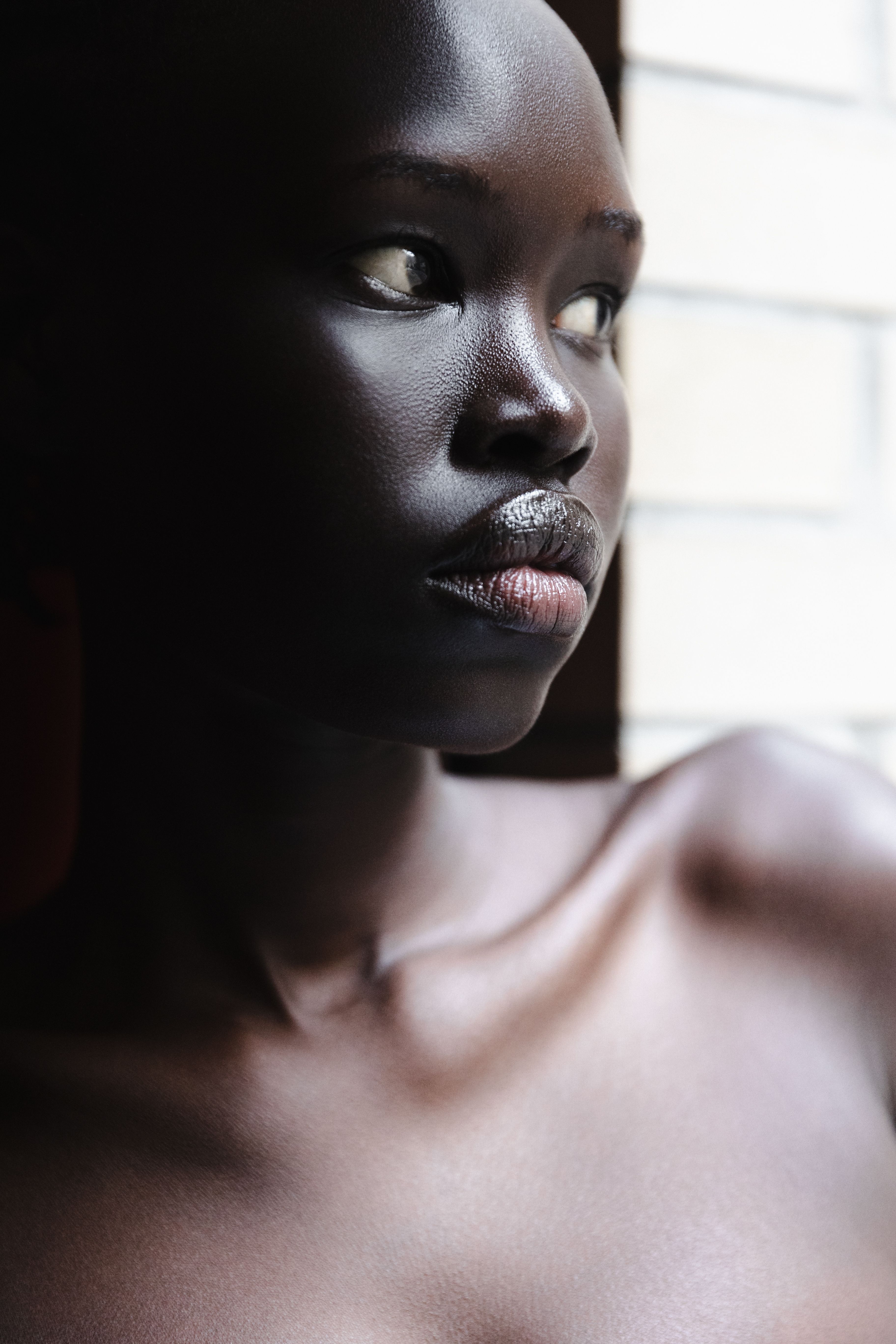
I think I would feel it was worthwhile if I come out of it with a clearer understanding of my own decisions.
A competition creates a very different kind of pressure from client work. There is no familiar relationship, no ongoing dialogue and no opportunity to adjust the work through feedback. You have to trust your own judgment much more directly.
Did I stay true to the brief without overworking the image? Did I make decisions I still believe in after stepping away from the work? Did I manage to keep my usual standards when there was no client conversation guiding the process?
If I finish the competition feeling that I understood my own work a little better, that would already make entering worthwhile.
A final note from us
Olga's answers are among the most considered we've received - from registering on the very last day after weeks of deliberation, to the precision of her thinking about what invisibility really means in this profession. Her distinction between invisible technique and an invisible profession is one that stays with you. We're very glad she made it through the door in time.
We are honoured to welcome Olga Khmyz as a participant in Retoucher of the Year 2026.
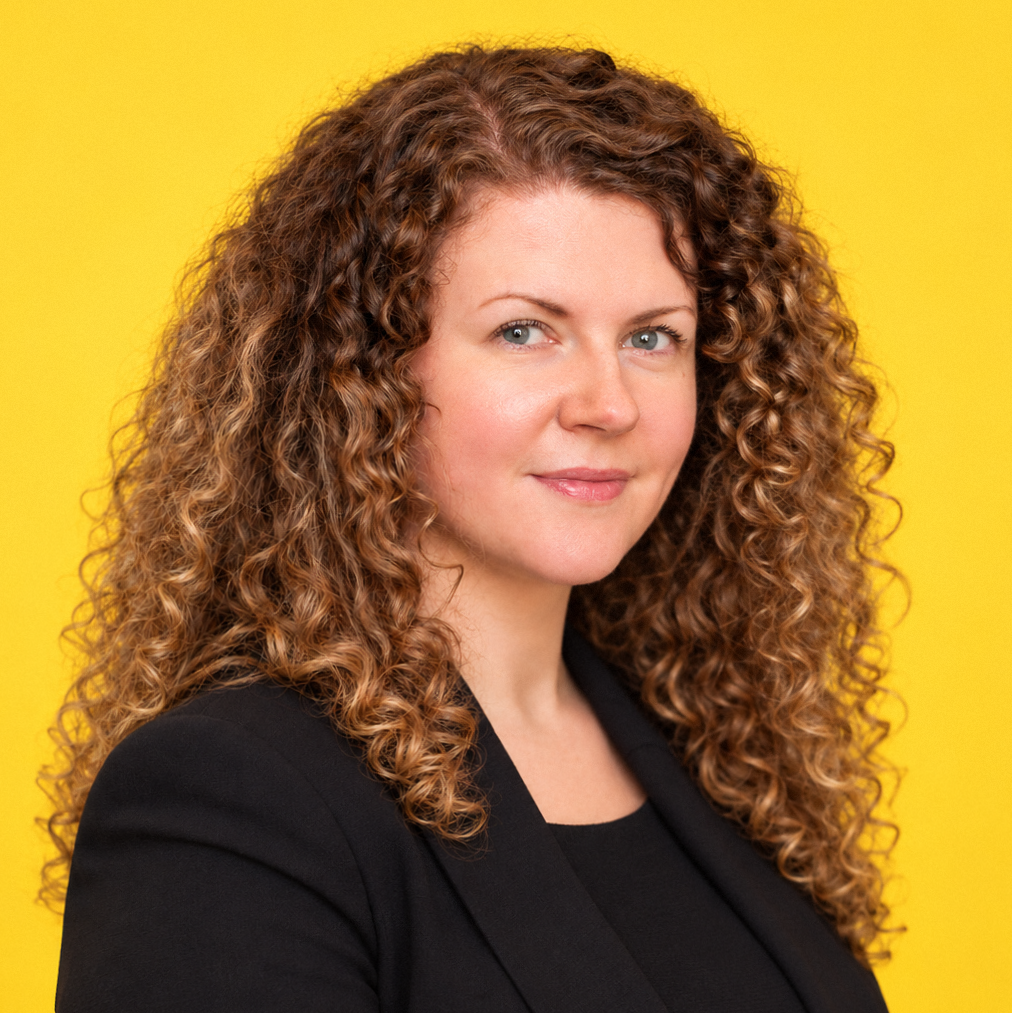
About Olga Khmyz
Years in the Industry: 15+
Primary Specialization: Fashion, Beauty, Editorial and Commercial Retouching
Website: olgakhmyz.com
Instagram: @retoucher_olgahmiz
LinkedIn: linkedin.com/in/olgahmiz
Verified Retoucher Database
We are building a global, skill-verified retoucher database.
A platform where professional standards are documented, structured and transparent.
Skill-verified means professional standards are demonstrated, not claimed.Assessment is category-specific and based on structured test retouching.
Results are measured, scored and displayed transparently on each professional profile.
Secure early access and priority review ahead of public launch.