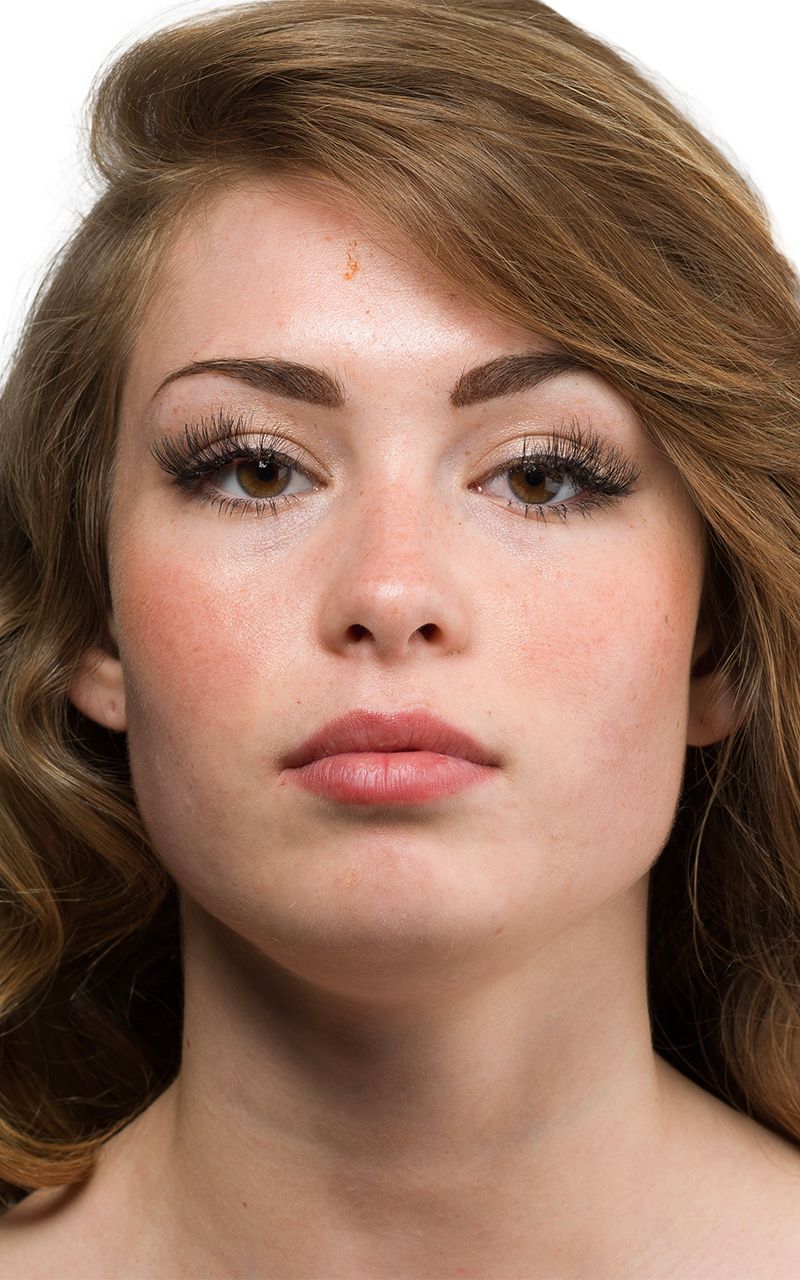
Before
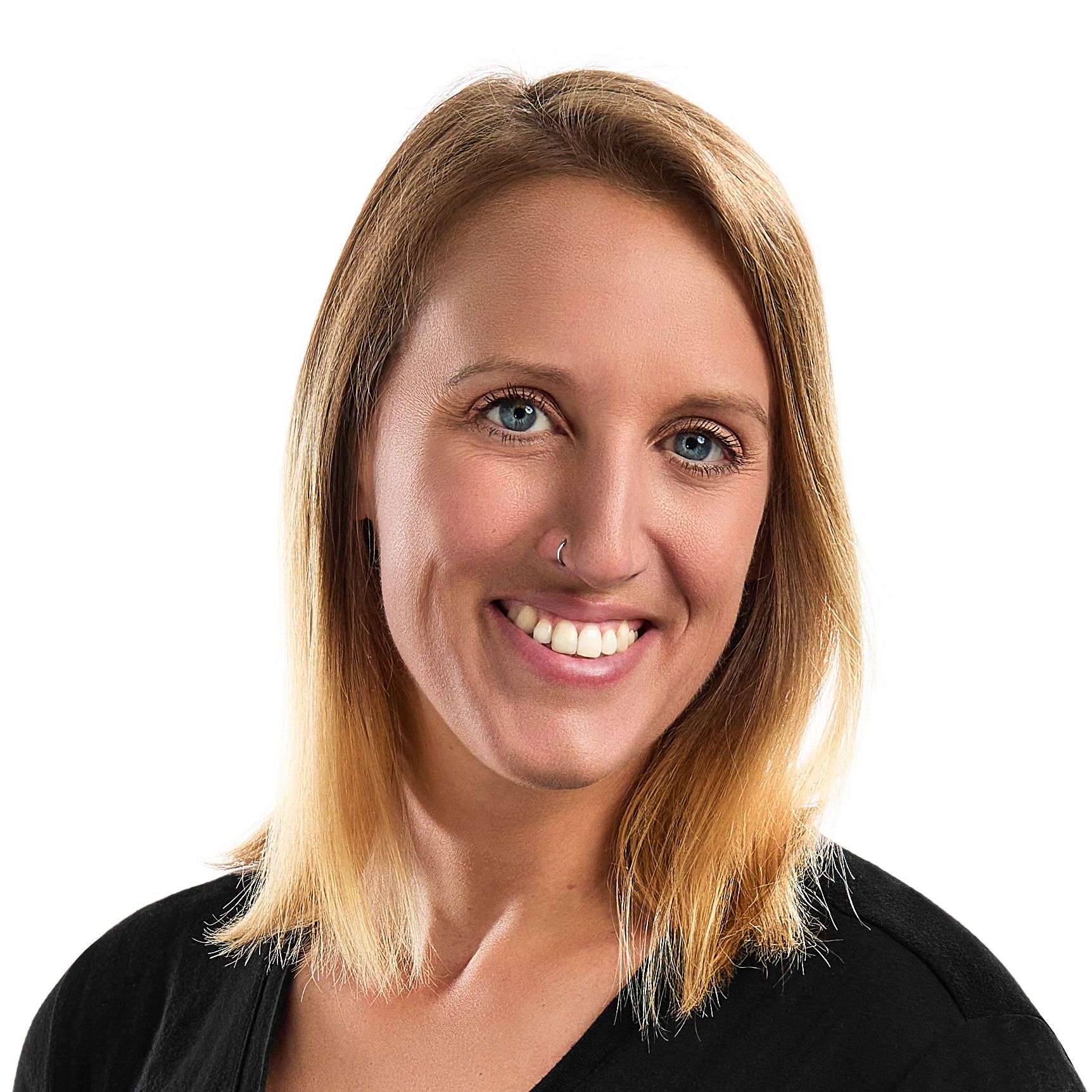
Sarah Weiffenbach

by Stephanie van der Stap
October 08, 2026 | 5 min read
As part of our Retoucher of the Year participant series, we're sharing the stories behind the people entering this year's competition.
Sarah Weiffenbach has been working in retouching for more than a decade, but her relationship with images began with photography. She studied Commercial Photography at Appalachian State University, where an intensive summer retouching course introduced her to what would become her profession.
It was also where she discovered another lasting influence on her creative life: nature.
Today, the two provide very different kinds of focus. Retouching asks Sarah to look closely, make deliberate decisions and spend long periods immersed in an image. Mountain biking, backpacking, bikepacking and photographing the natural world allow her to step away from the monitor entirely.
At a moment when the industry is rapidly adapting to AI and increasingly automated tools, Sarah's perspective is firmly centred on what remains human: creative intuition, discernment, authenticity and the ability to understand what an image should remain true to.
 BACK
I'm 35 and have been retouching for over a decade. When I'm not behind a screen, you can usually find me mountain biking, backpacking, bikepacking or just immersing myself in nature.
I fell into retouching many moons ago in college while studying Commercial Photography at Appalachian State University. Coincidentally, that's also exactly where I discovered my deep love for nature and the healing power of being outside.
During college, I took an intensive summer course in photo retouching. It was four hours a day, four days a week, and I completely fell in love with it.
In that classroom, I found my true passion within photography. Having the ability to manipulate and enhance images felt like magic.
That same spark carried over to my time in the darkroom, learning to dodge and burn on analog film. That was a whole different kind of witchcraft, and equally magical.
Looking back, I think that combination is still very much part of how I relate to images today. There is the technical side of the work, but there is also that feeling of watching an image gradually become what you know it can be.

Give retouchers their credit!
Being part of Retoucher of the Year for the first time this year is something I'm so thrilled to experience.
There's a common misconception among the general public that great images can just be snapped on a phone, that AI can magically fix anything, or that retouching is a piece of cake.
They couldn't be more wrong.
There is an enormous amount of professional process, technique, judgement and craft behind a finished image. Bringing more visibility to that process is crucial if we want audiences to understand what actually goes into creating the imagery they see every day.
That's one of the reasons I'm so excited about Retoucher of the Year. It puts that behind-the-scenes artistry in the spotlight and gives the people doing the work an opportunity to be seen as well.
The retouching itself doesn't always need to be obvious. But the craft deserves recognition.
Before
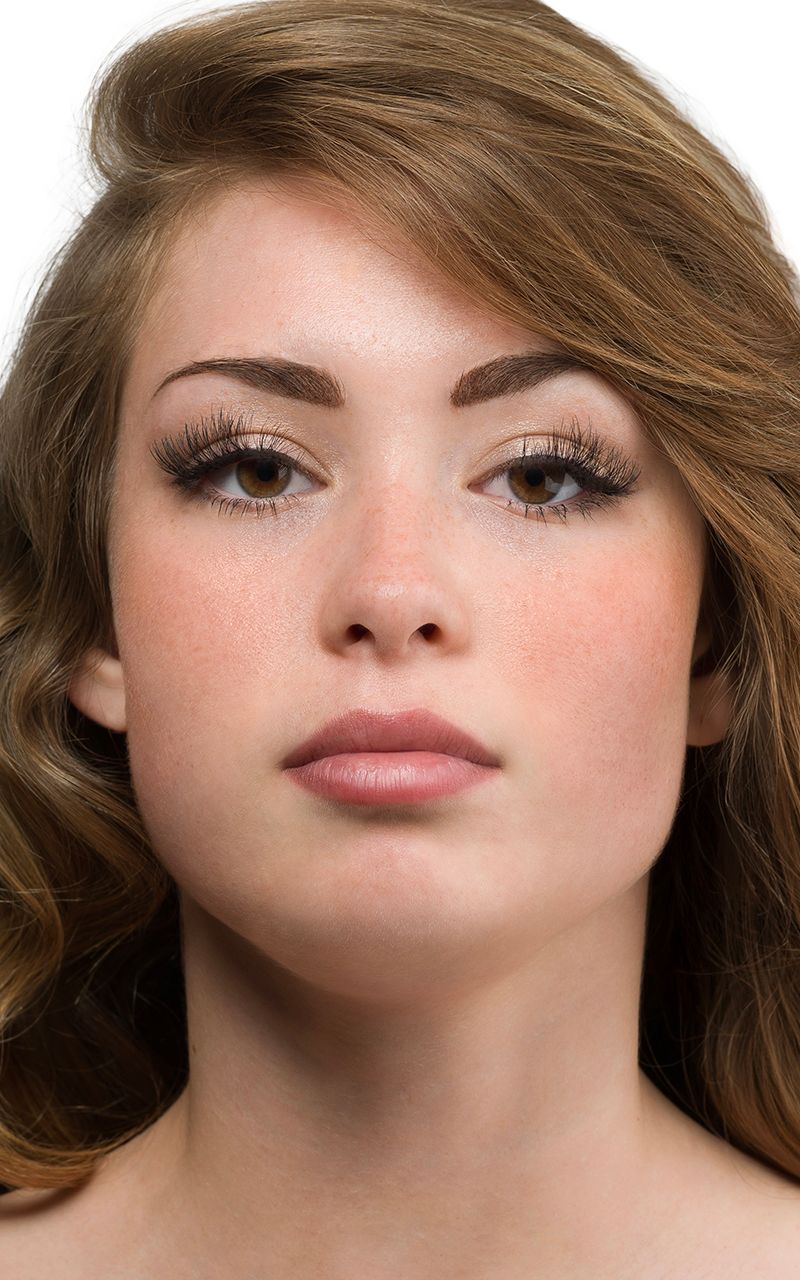
After
Flexibility as we navigate this new era of AI, a commitment to authenticity and a dedication to preserving the core truth of an image.
We are retouchers, not robots.
We bring creative intuition and discernment that only human eyes can and should provide. That's something I think we need to recognise and own.
The tools around us are changing, and they're going to continue changing. I don't think the answer is to ignore that or simply be afraid of it. We need to adapt alongside those changes while remaining clear about what we bring to the process.
For me, that means understanding that just because something can be generated, altered or perfected doesn't necessarily mean it should be.
Our judgement still matters.
The ability to look at an image and understand what should remain true.
A tool can perform an action, but the decision behind that action still matters. Retouchers bring context, taste, intuition and an understanding of when an image has gone too far.
That's where authenticity becomes so important.
I think our responsibility as the technology evolves is not to compete with machines by trying to work like them. It's to become even more conscious of the things we bring that aren't mechanical.
We need to own that power and adapt alongside the changing times rather than fear them.
For me, inspiration comes from disconnecting.
Nature is where I reset. I love photographing macro botanicals and insects because it requires a completely different kind of focus and observation.
When you're looking that closely at something in nature, you start noticing details, structures and textures that would be incredibly easy to walk past without ever seeing.
Being out on the trails gives my mind the space to unpack visual ideas without the pressure of a deadline. Mountain biking, backpacking and bikepacking physically take me away from the environment where I spend so much of my working life.
I think I need that contrast.
That balance also allows me to keep personal creative projects active on the side, which helps keep my passion for the work alive when I'm back in front of the monitor.
Sometimes the best thing I can do creatively is stop looking at a screen.
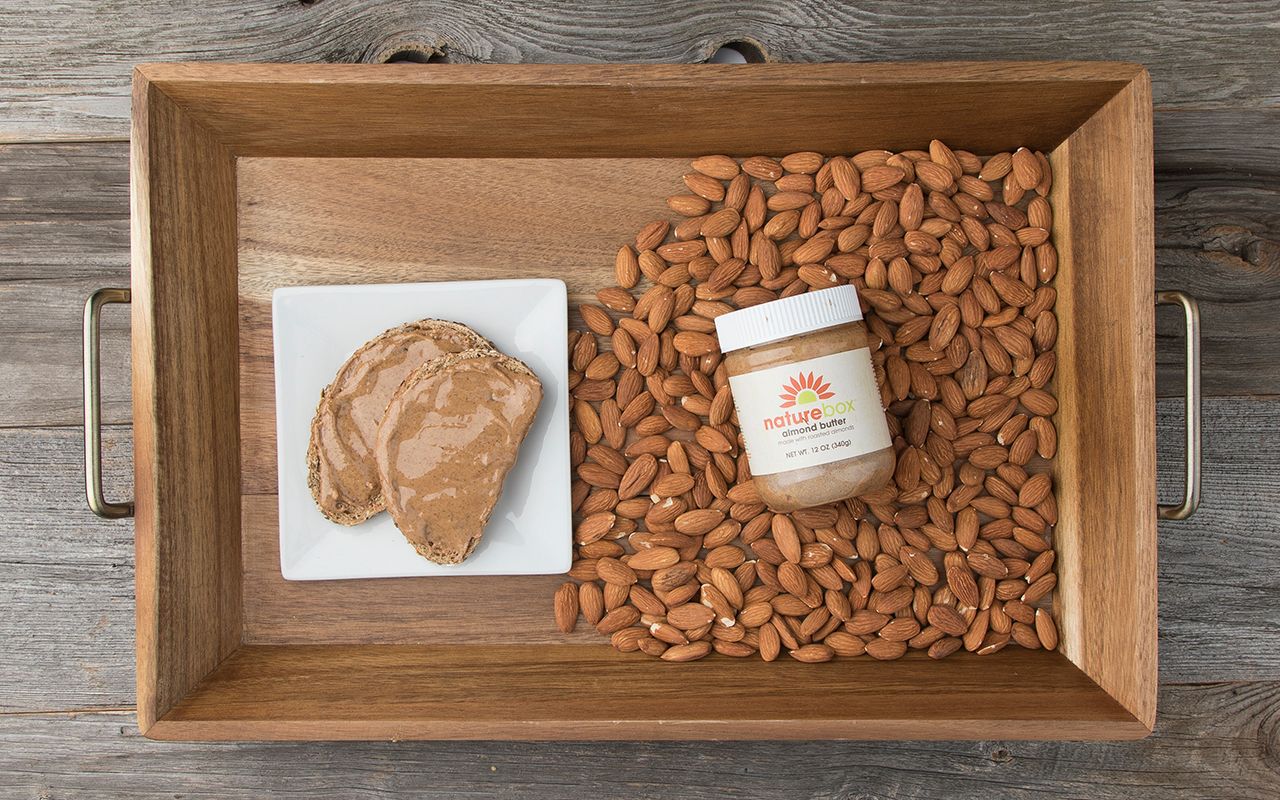
Before
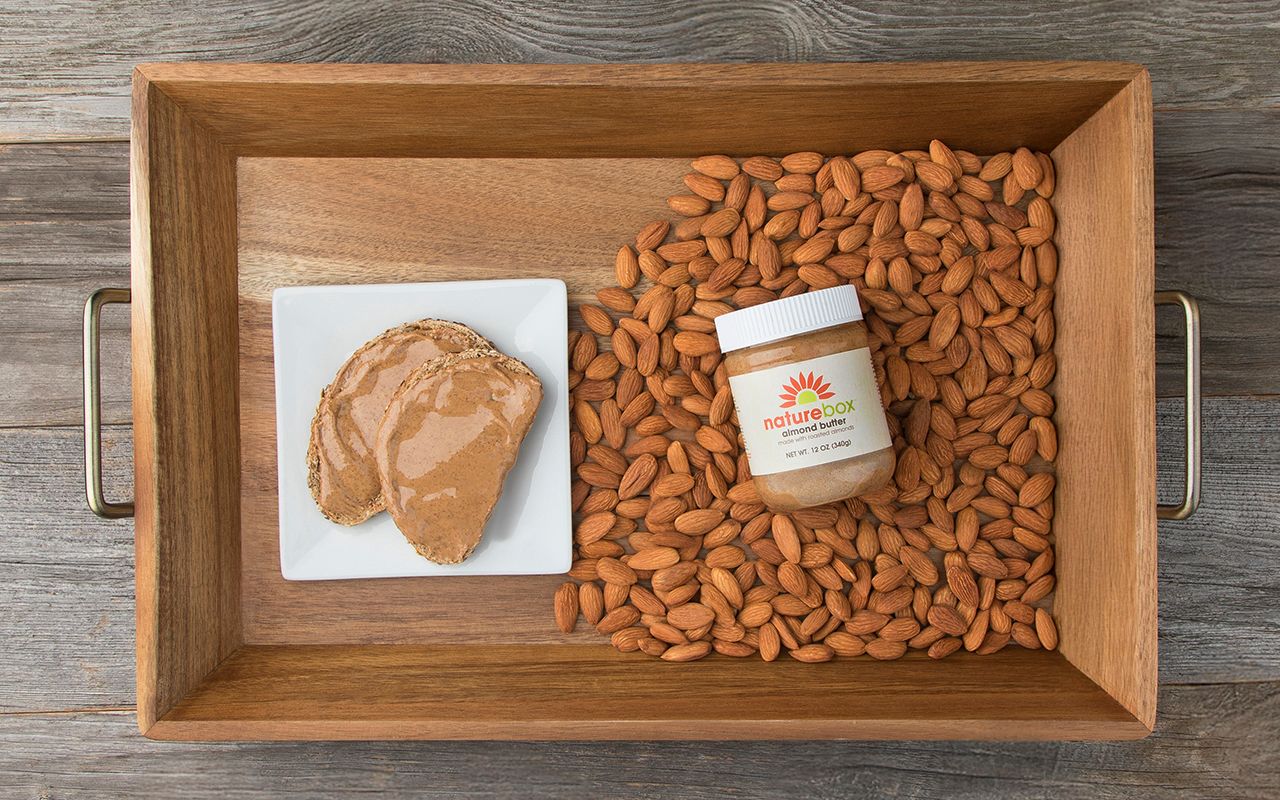
After
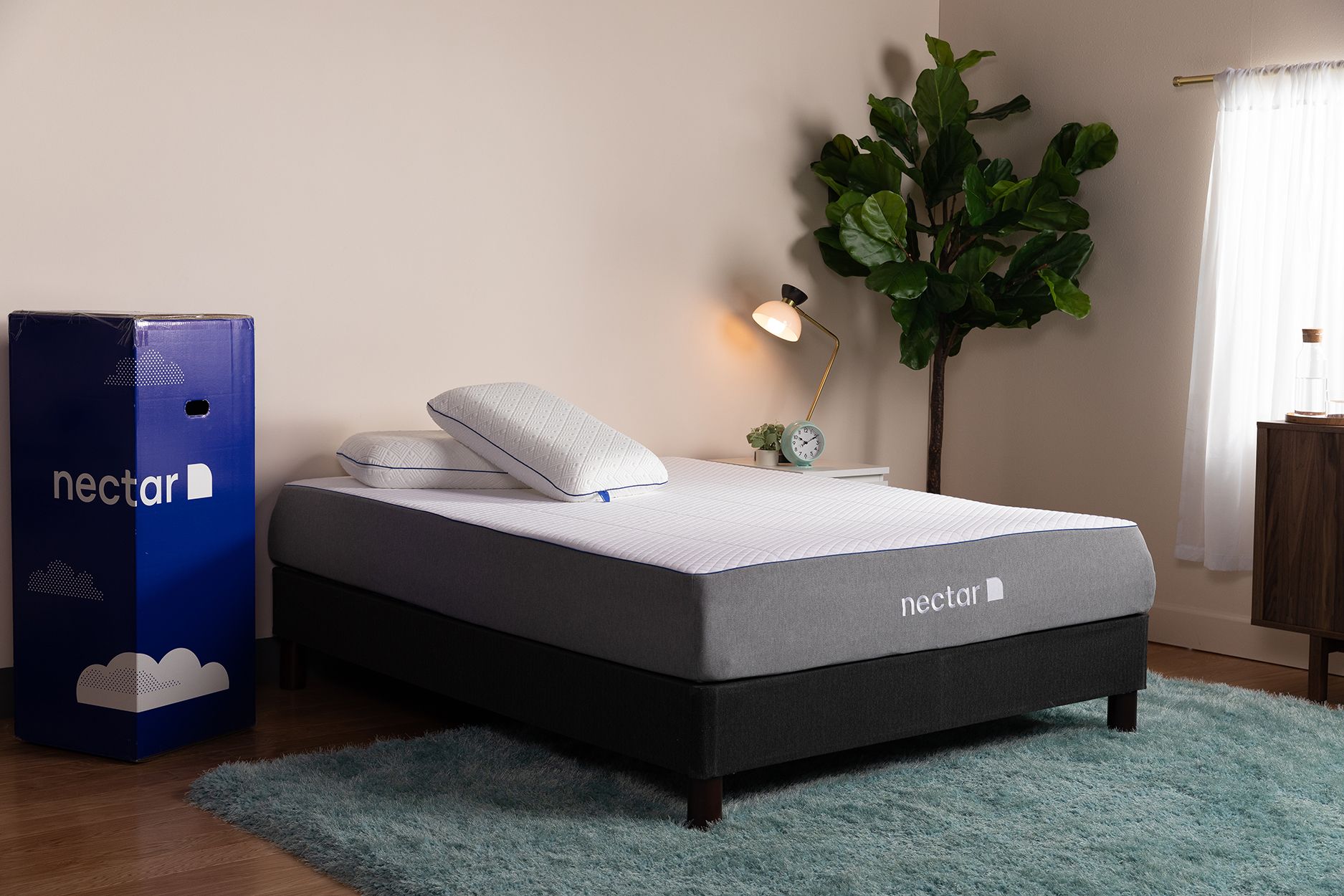
Before
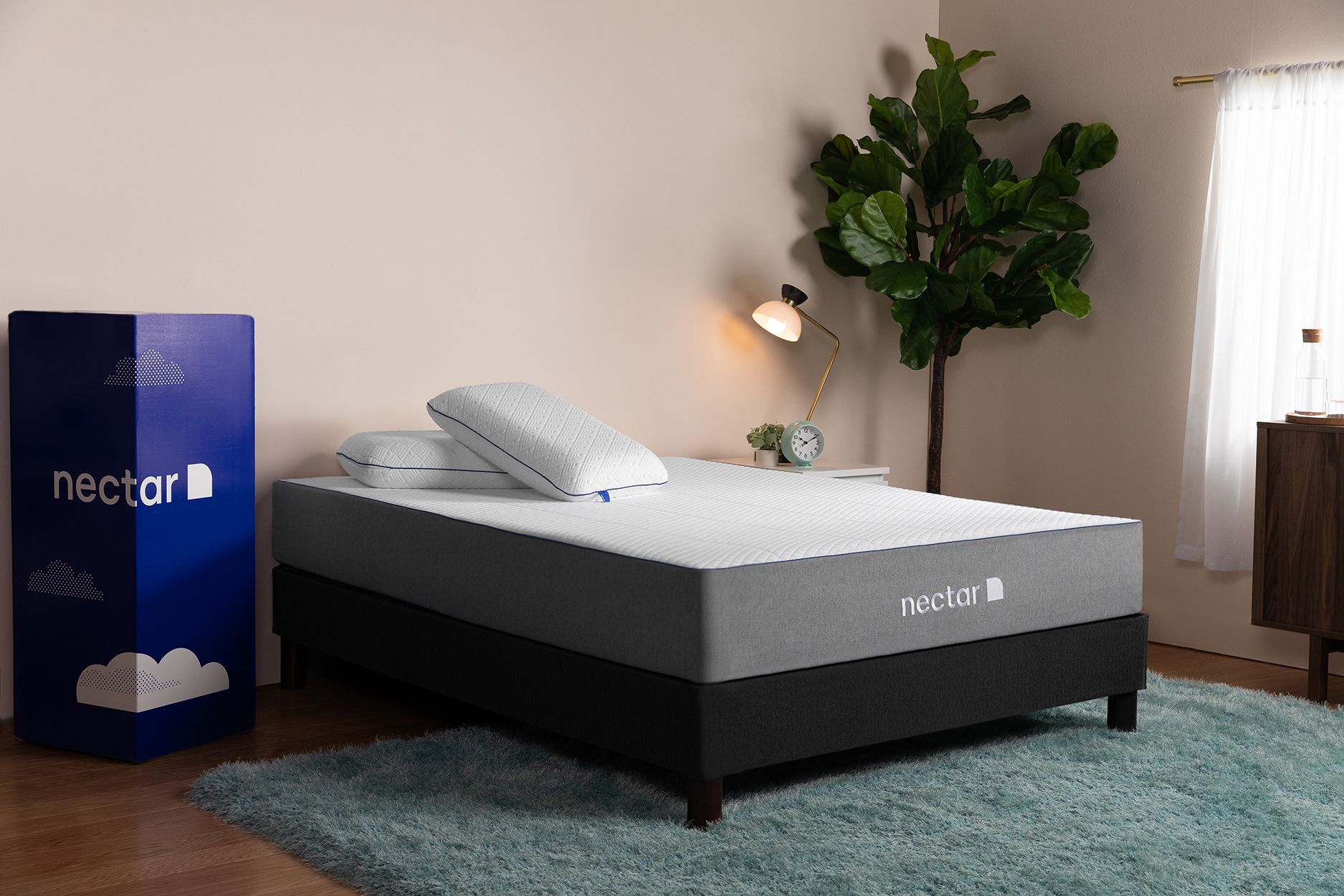
After
I think it changes the way I observe.
Photographing macro botanicals and insects forces me to slow down and pay attention to very small things. Nature isn't perfect in the polished sense of the word, but it can be incredibly precise, complex and beautiful.
That relates quite naturally to how I think about authenticity in retouching.
Not every irregularity is something that needs to disappear. Sometimes texture, variation and imperfection are exactly what make something feel believable.
Being outside also gives me distance from commercial imagery. When I return to the monitor, I can look again with fresher eyes instead of endlessly analysing the same image.
Deeper communication between clients and creators, and less devaluation of the craft.
In today's fast-paced world, everyone is obsessed with instant results. But exceptional retouching takes time, intention and skill.
Rome wasn't built in a day, and iconic imagery isn't either.
I think better collaboration begins with understanding that retouching isn't simply the last button to press before an image is finished. The retoucher is part of the creative process, and giving that process enough time and communication ultimately makes the image stronger.
Trust the craft, and trust your retouchers.
Because it gives the craft its own space.
Retouching is so often absorbed into the finished image that the viewer never really thinks about who helped create it or what happened between the original photograph and the final result.
A competition like this changes the focus. Suddenly, we're talking about the decisions, techniques and people behind those images.
For somebody entering Retoucher of the Year for the first time, I'm excited to experience that.
It's an opportunity to have our work looked at specifically as retouching, but also to help a wider audience understand that this is a profession, a skill and a creative discipline in its own right.
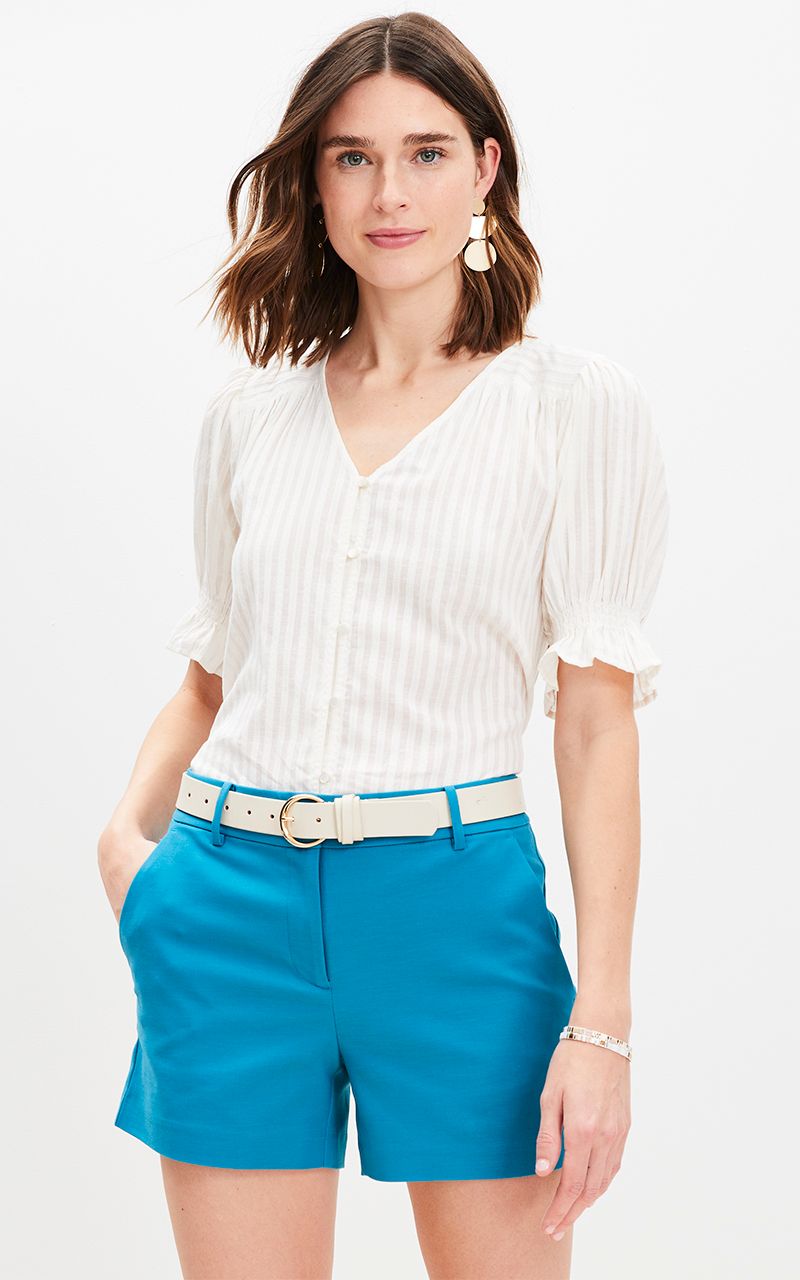
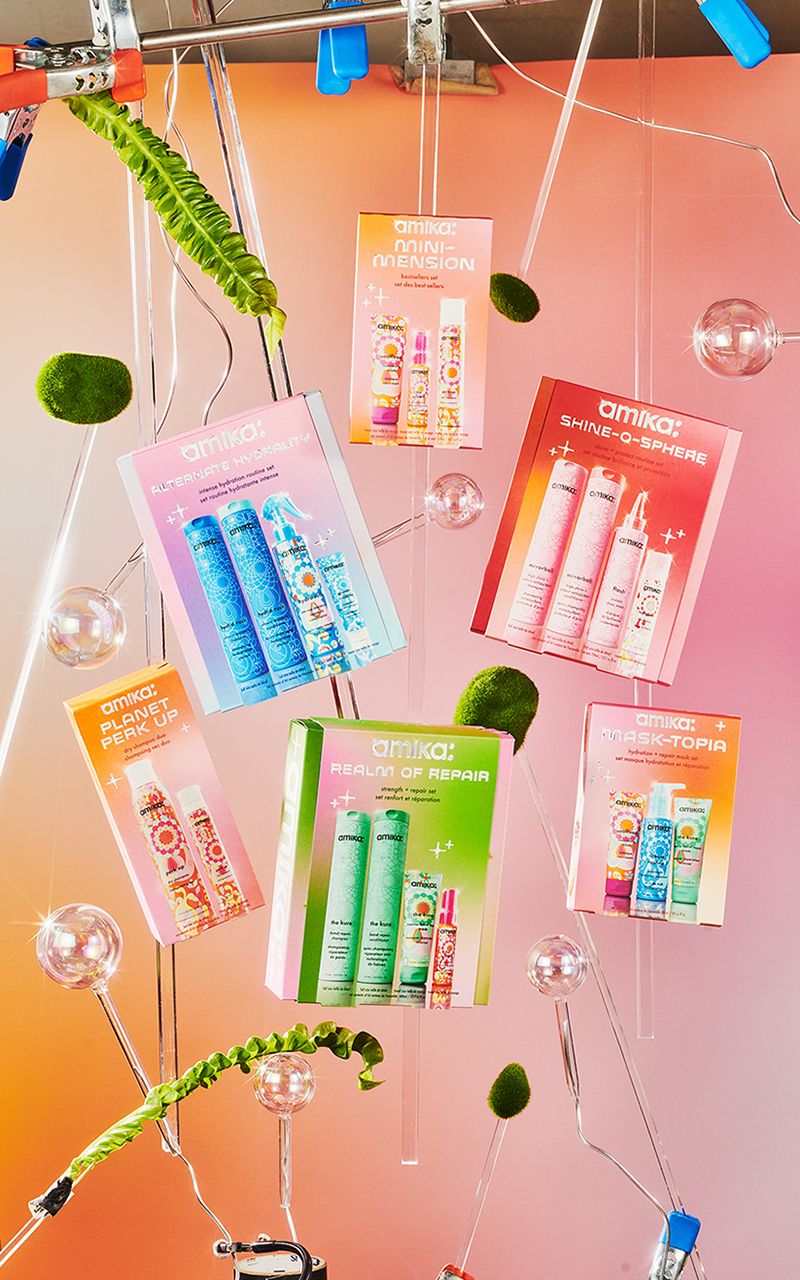
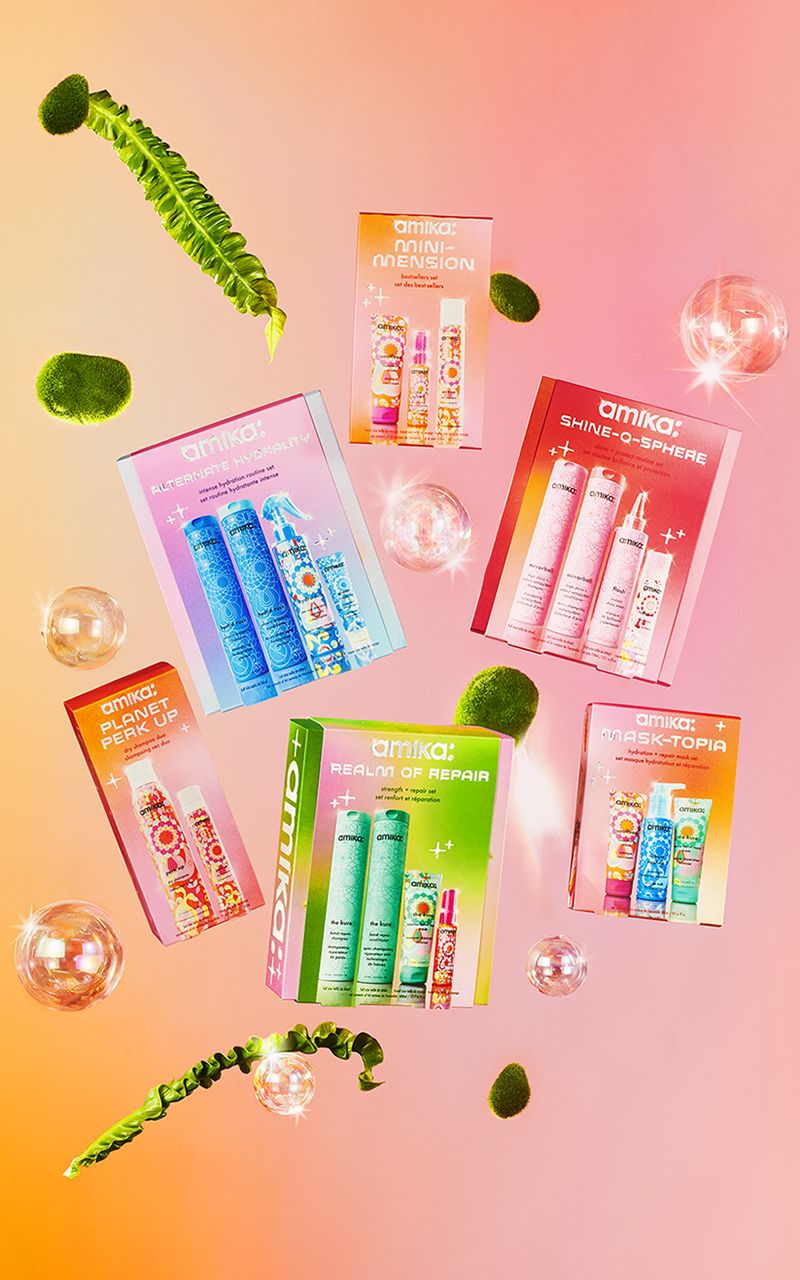
Before
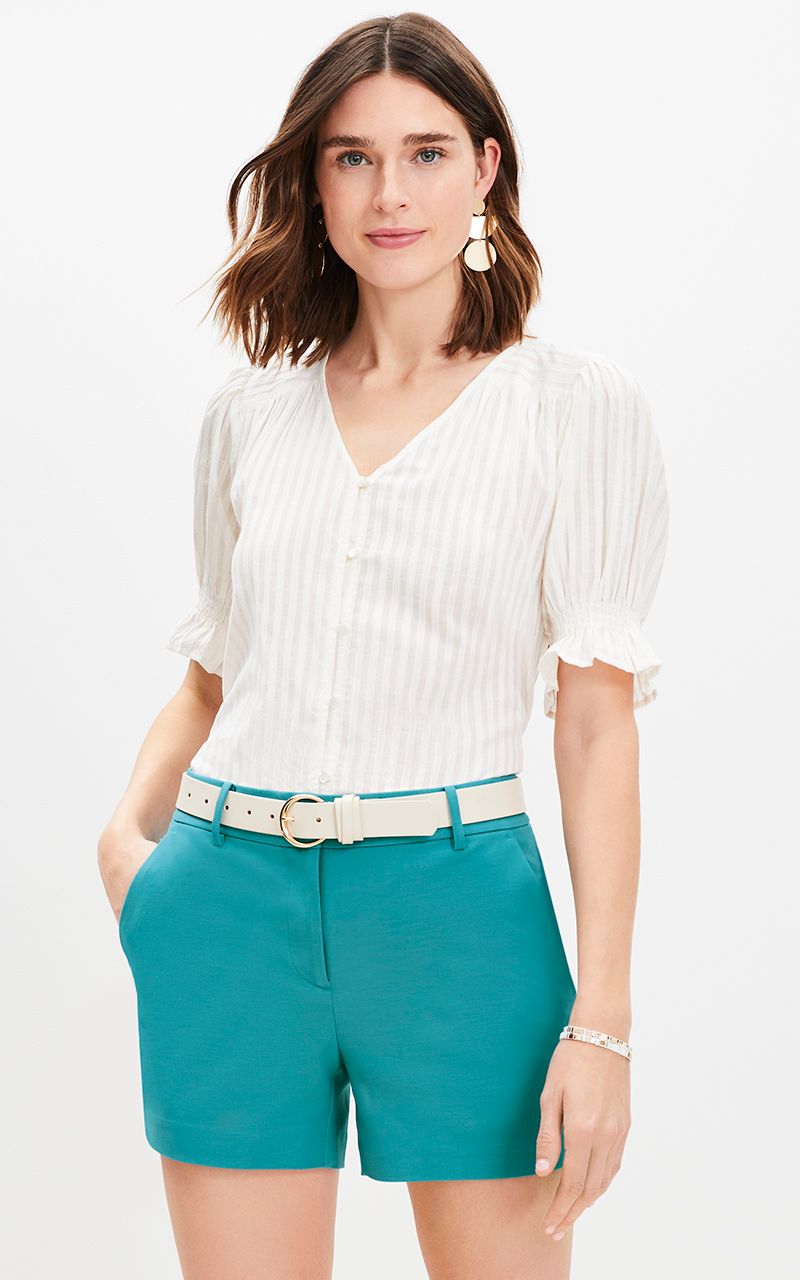
After
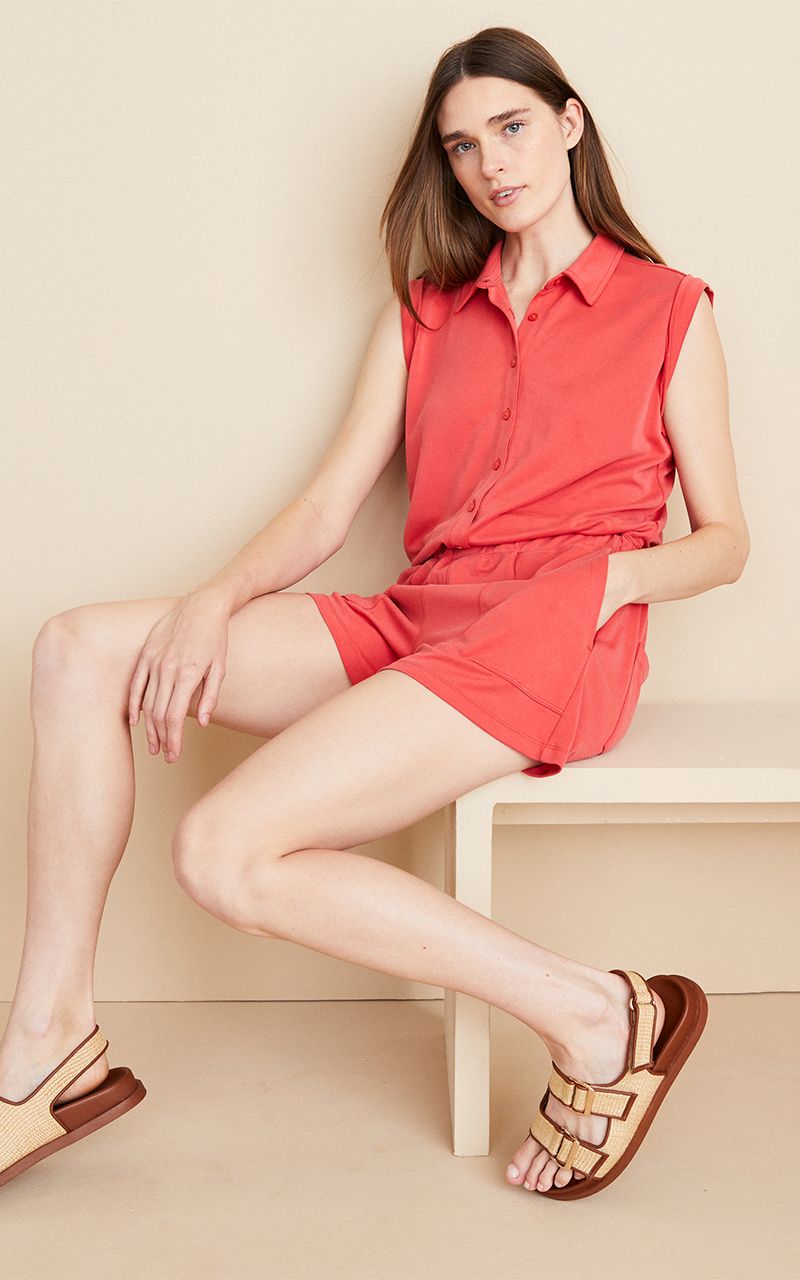
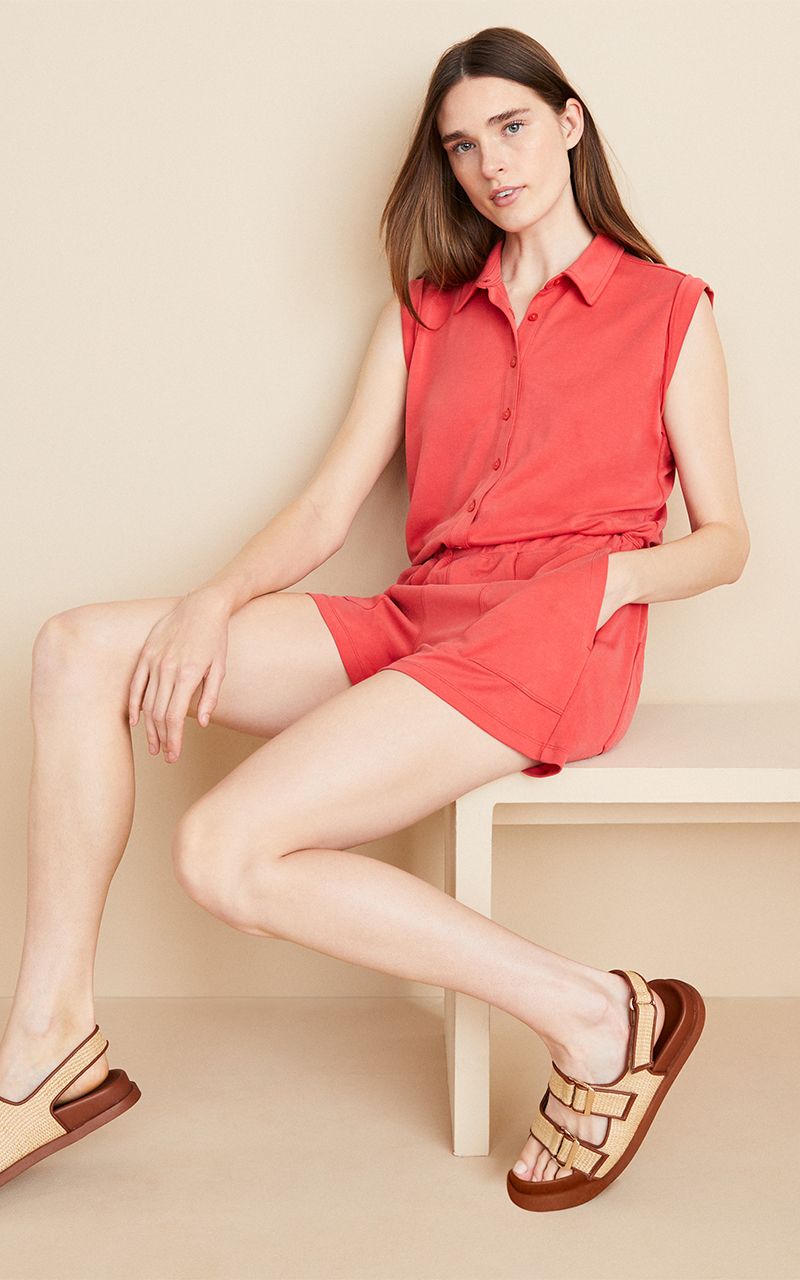
After
Sarah's first encounter with retouching was an intensive college course that felt, in her words, like magic. More than a decade later, despite an industry transformed by new technology, that sense of fascination with what an image can become is still there.
What has changed is the conversation surrounding the craft.
At a time when increasingly sophisticated tools promise instant transformations, Sarah's emphasis on authenticity, human judgement and creative discernment feels particularly relevant. Her response is not to reject new technology, but to be clear about what technology cannot replace: the person deciding why a change should be made in the first place.
There is another interesting thread running through Sarah's story. Her professional life asks her to spend hours looking closely at pixels. Her life outside work takes her onto trails, mountains and into the smallest details of botanicals and insects. One demands intense focus. The other gives her the space to reset it.
And amid all the changes facing the profession, Sarah's message to the industry itself is refreshingly uncomplicated:
Give retouchers their credit.
We are honoured to welcome Sarah Weiffenbach as a participant in Retoucher of the Year 2026.
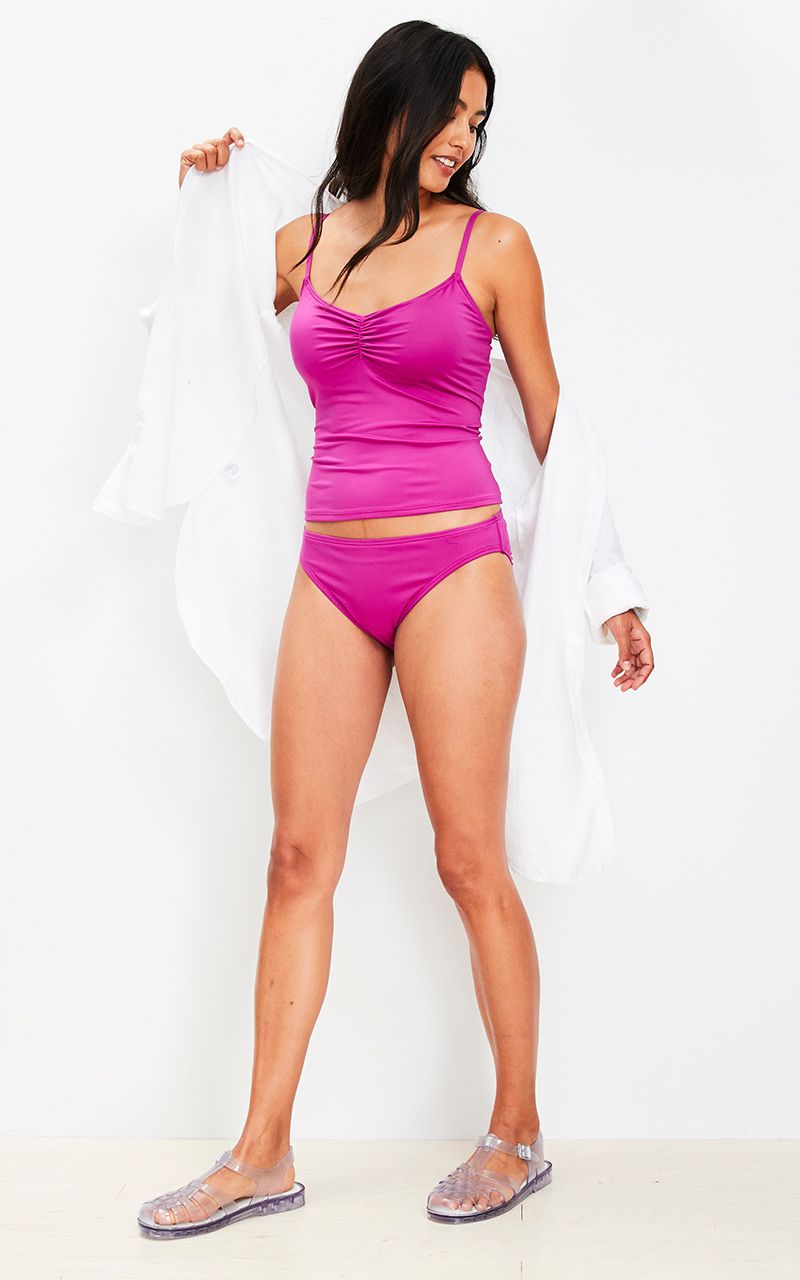
Before
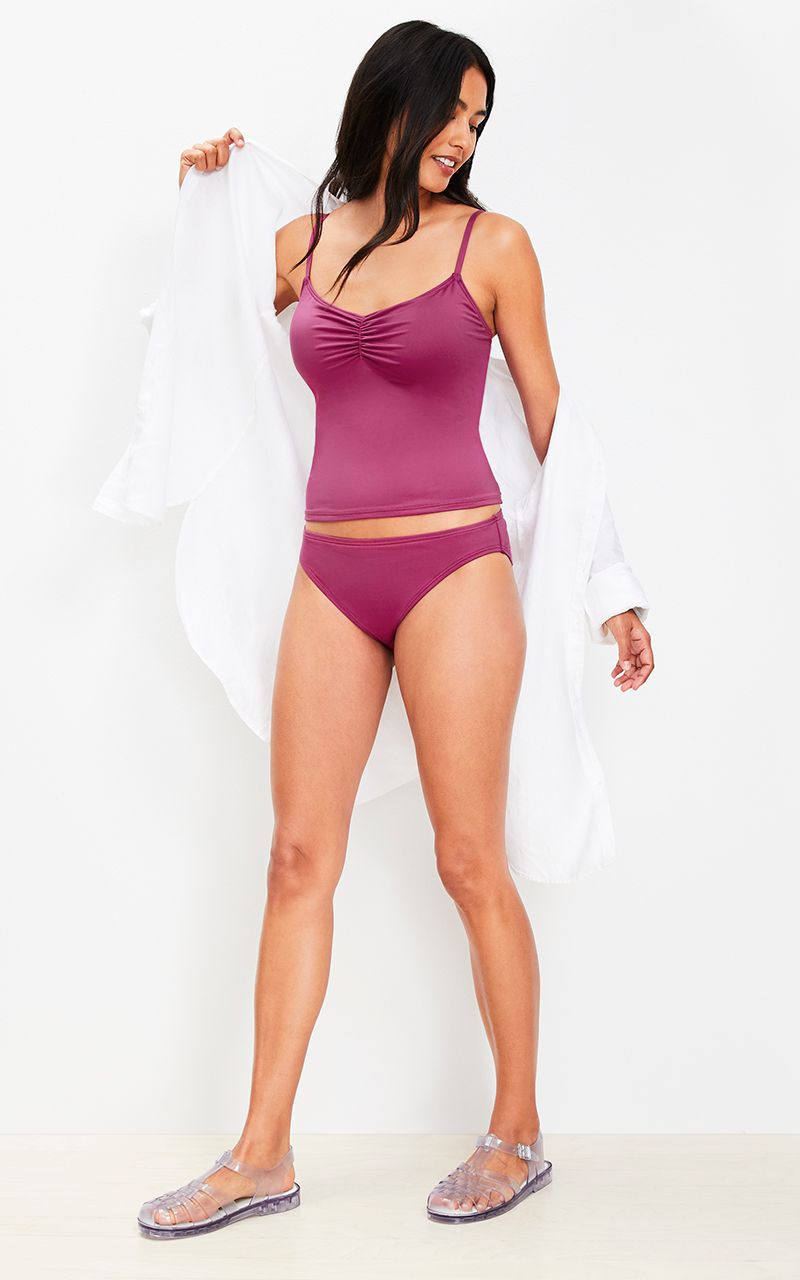
After
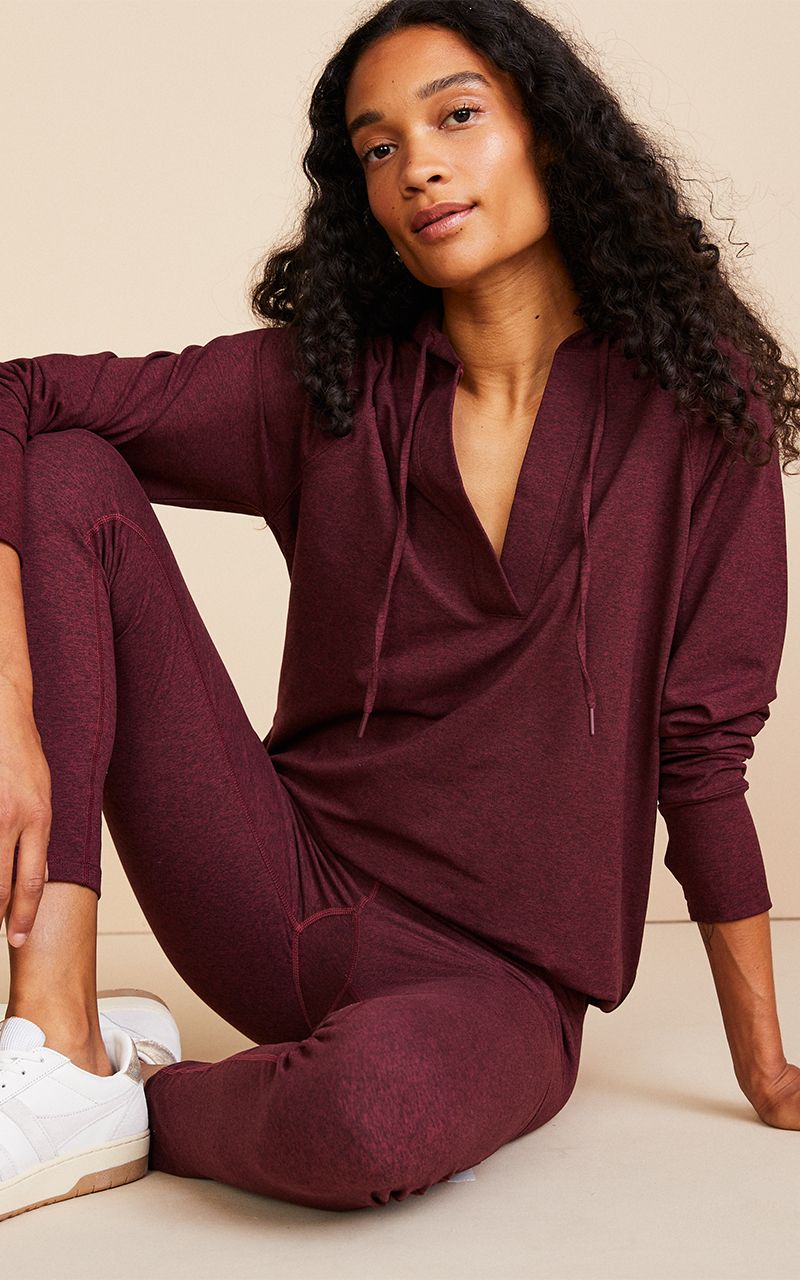
Before
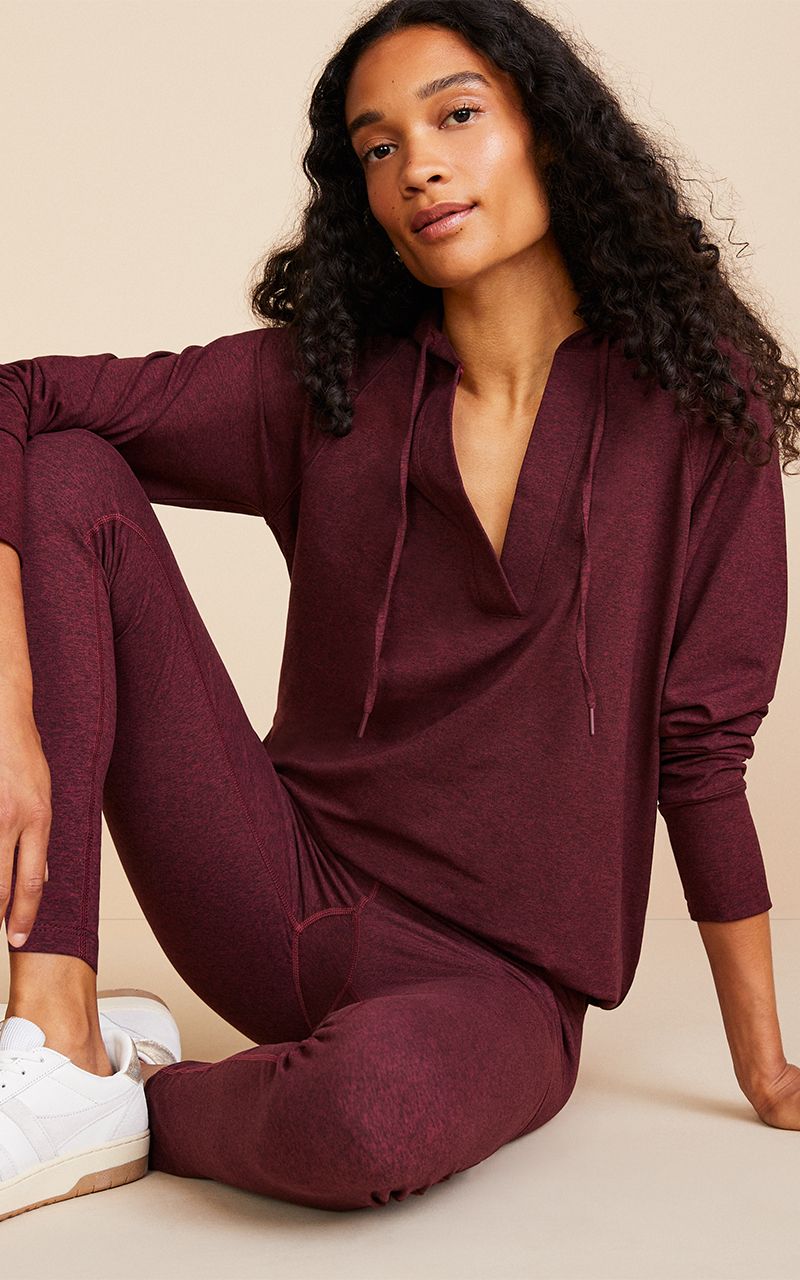
After
Years in the Industry: 10+ years
Background: Commercial Photography
Creative Interests: Retouching, Photography and Macro Nature Photography
Outside the Studio: Mountain Biking, Backpacking and Bikepacking
Instagram: https://www.instagram.com/sarahrayphoto/
Before
After
We are building a global, skill-verified retoucher database.
A platform where professional standards are documented, structured and transparent.
Skill-verified means professional standards are demonstrated, not claimed.Assessment is category-specific and based on structured test retouching.
Results are measured, scored and displayed transparently on each professional profile.
Secure early access and priority review ahead of public launch.