Meet the Participant
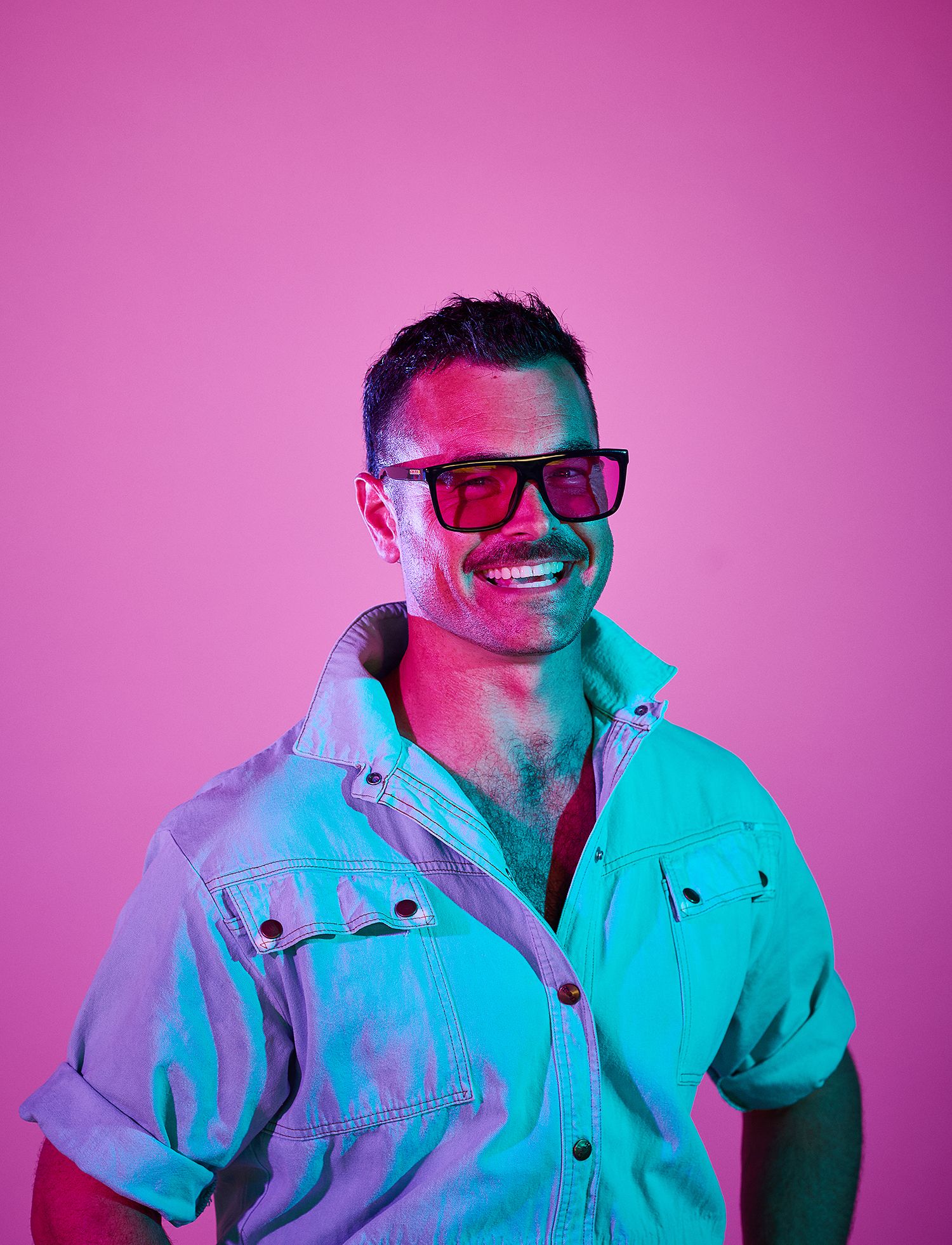
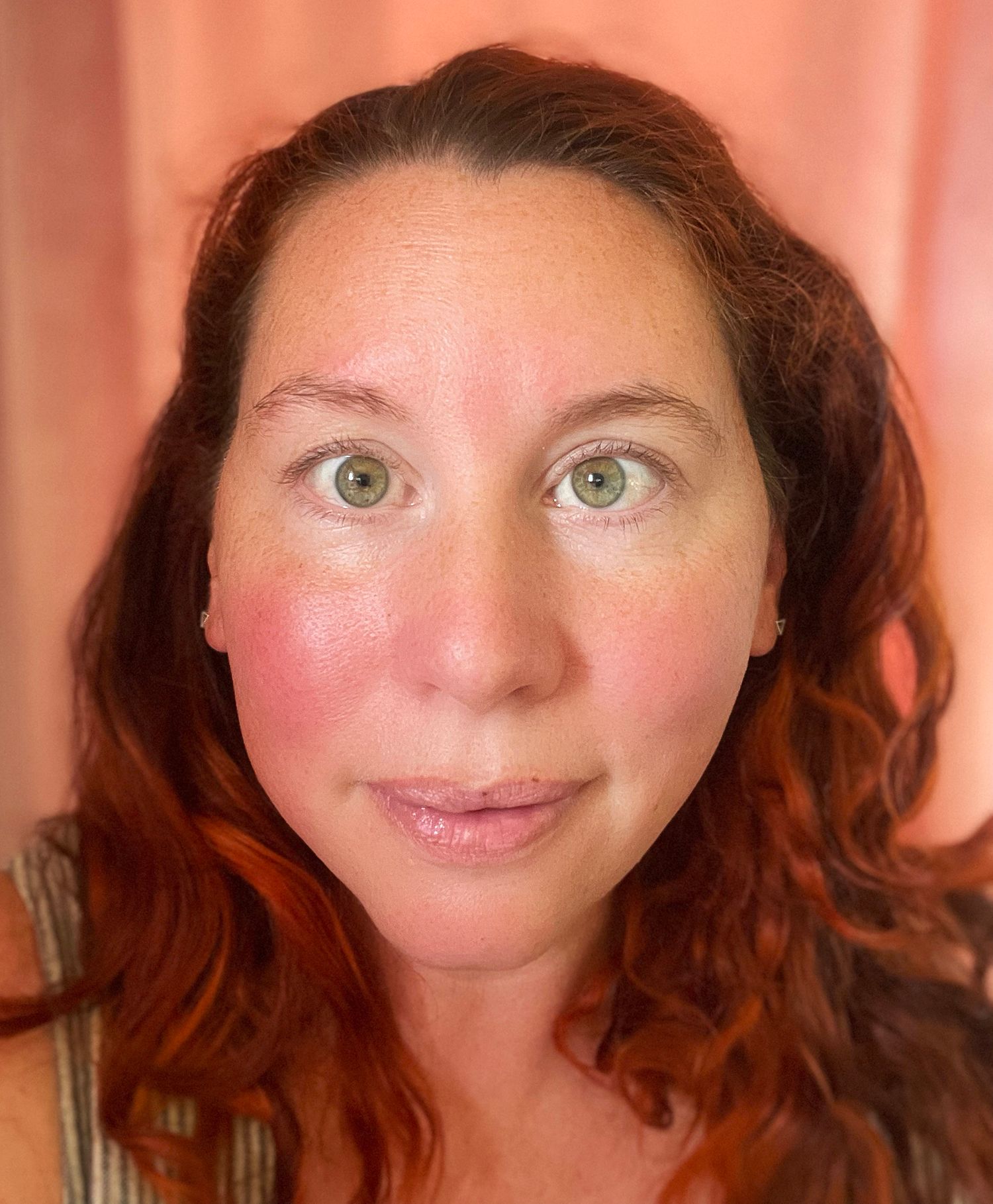
Saskia Thomson

by Stephanie van der Stap
October 07, 2026 | 7 min read
As part of our Retoucher of the Year participant series, we're sharing the stories behind the people entering this year's competition.
Saskia Thomson is a retoucher and photographer with 20 years of experience in commercial image-making. She spent 13 years at Wieden+Kennedy, working on global campaigns for brands including Nike, Old Spice, Fisher-Price, Coca-Cola, HP, Expedia and Corona, before establishing her own studio in Portland, Oregon.
Despite two decades in the industry, Saskia's enthusiasm for image-making hasn't faded. She is still fascinated by the smallest details, but her real focus is on something much harder to quantify: how an image feels. For her, great retouching is rarely about showing what a retoucher can do. More often, it is about knowing what not to do.
That philosophy runs throughout her work and through her answers here. This is a conversation about restraint, recognition, collaboration, protecting ideas, and what happens when someone who has spent years making other people's images shine finally decides to raise her hand and say: I made this.
 BACK
20 Years of Retouching, Restraint and Finally Saying “I Made This”
Could you tell us a little about yourself and how you got into retouching?
I minored in digital arts and photography in college, then moved to Portland, Oregon shortly afterwards. I worked at several photo studios as a digital artist and retoucher before eventually joining Wieden+Kennedy, where I spent 13 years.
That was really where I learned what the job is about beyond the technical side. You're often working on an idea that has already passed through many hands, and your responsibility is to help protect that idea as it continues through the process. There can be photographers, art directors, creatives, clients and production teams involved, and retouching sits somewhere inside all of that.
Now I run my own studio in Portland. Most of my work is retouching, with some photography as well, while balancing a full life supporting family and building community.
I still genuinely love doing this. I'm obsessed with details, but ultimately I care much more about how an image feels than whether somebody can see how technically difficult it was to make.
You've described restraint as an important part of your work. What does that mean to you, and will we see it in your competition image?
Absolutely. The best retouching I've done is the stuff nobody notices.
Earlier in my career, I fixed everything I could see. If something was technically possible to change, there was a temptation to change it. Experience has shifted that completely.
Now I ask what the image actually needs to say, and I leave the rest alone.
That's what restraint means to me. It isn't about doing less for the sake of doing less. It's about understanding which decisions strengthen the image and which ones are simply evidence that you know how to use the tools.
I'm sure that will show in the competition image, probably as much in what I choose not to do as in what I do.
After 20 years in the industry, what made you decide to enter Retoucher of the Year now?
For years, I told myself that the work speaks through the campaign and that was enough.
Then at some point it hit me that I'd spent two decades making other people's images shine and had never really once raised my hand and said, "I made this."
It felt like time.
A lot of retouching is anonymous by nature. You can work on something that millions of people see and very few of them will ever know who was involved in creating the final image. I think after this many years, I was ready to step out from behind that a little.
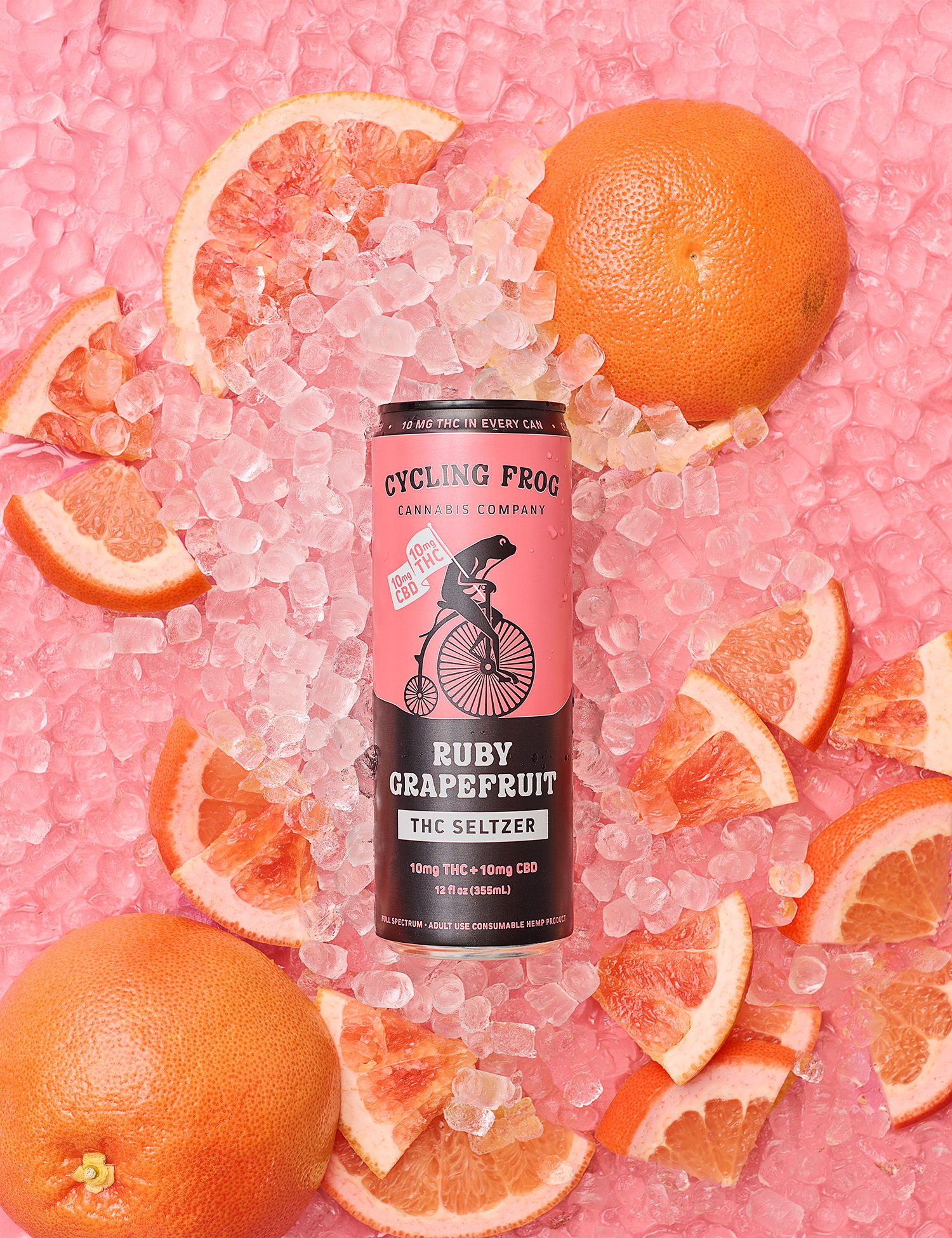
What does winning an award validate for you today, your own belief in your work or recognition from the industry?
I believe in my work. Twenty years and a lot of late nights took care of that.
But so much of what retouchers do goes uncredited that recognition from the industry would mean more than I'd probably admit.
I don't think I need an award to tell me whether I can do the job. But having the work recognised by people who understand what went into it is different.
What made Retoucher of the Year feel like a competition worth entering?
It's judged by people who know what they're looking at.
Most of my work gets seen by millions and understood by almost none of them.
That's not a criticism of the audience. If the retouching is working, they're not supposed to be thinking about it. But it means there are relatively few situations where the decisions behind the final image are actually being looked at and understood as retouching.
Having the work evaluated by people who understand those decisions makes this feel different.
When you open a source image for the first time, what do you look at first?
The light.
Where it's coming from, what it's doing, and where it's fibbing a little.
Once I understand the light, the image usually starts telling me what it needs. I'm also immediately looking at the quality of the source material and thinking about where the final image is going to end up. It's really important to start with the best resolution possible and to understand what the image ultimately needs to do.
A photograph that is going to live on a small screen and an image that needs to hold up across an enormous physical installation aren't the same problem.
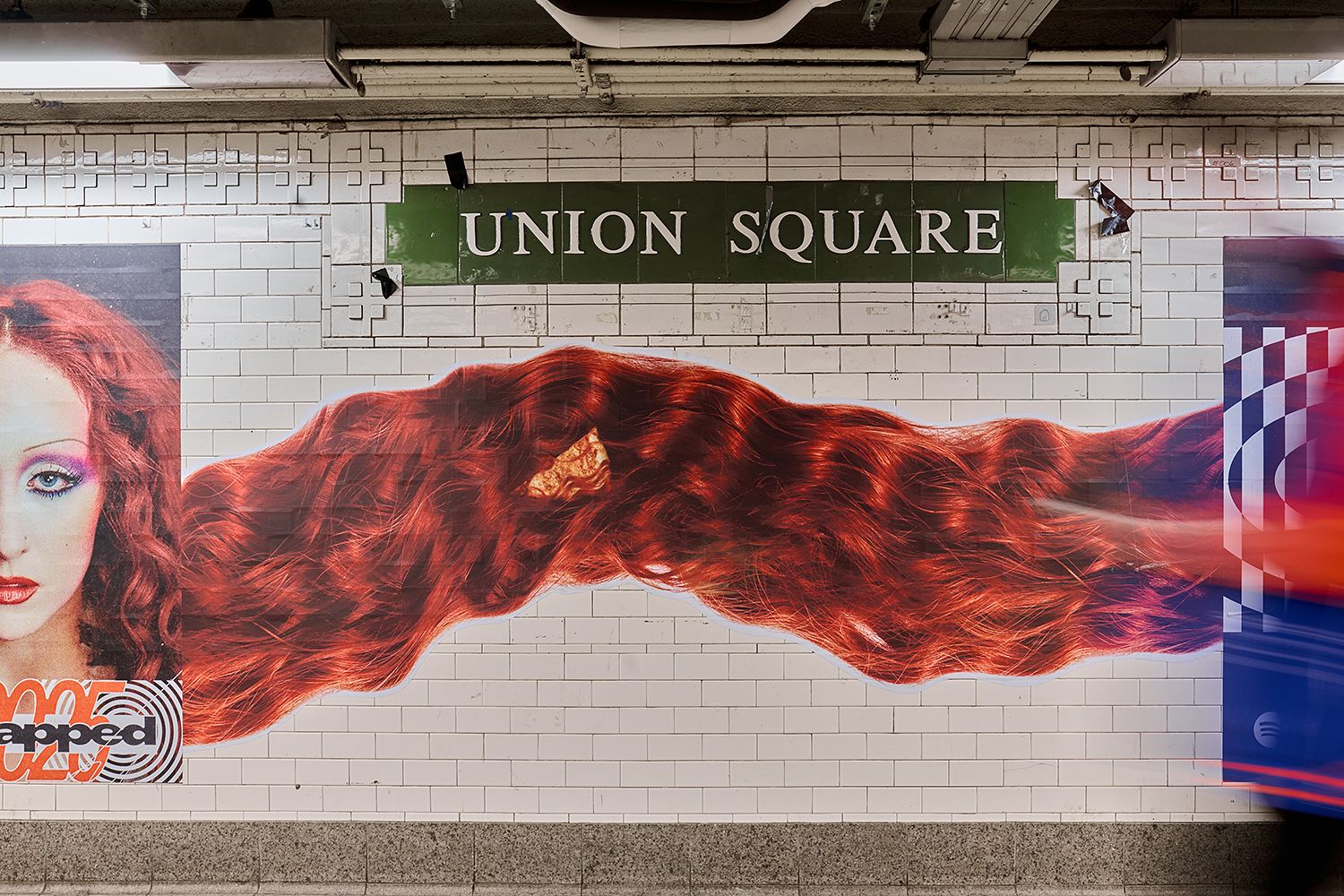
I worked on the Spotify Wrapped 2025 project inspired by Chappell Roan's Subway video, for example, where the final work involved creating enough high-resolution hair imagery to cover the walls of Union Station in New York City as well as four train cars.
We photographed and retouched the hair and ultimately created 19 separate high-resolution hair files, designed around templates created by local designers for the physical spaces. Altogether, the installation required an approximately 800-foot-long unique stretch of hair.
At that scale, understanding the source material, resolution and final destination isn't a technical afterthought. It's part of the creative problem from the very beginning.
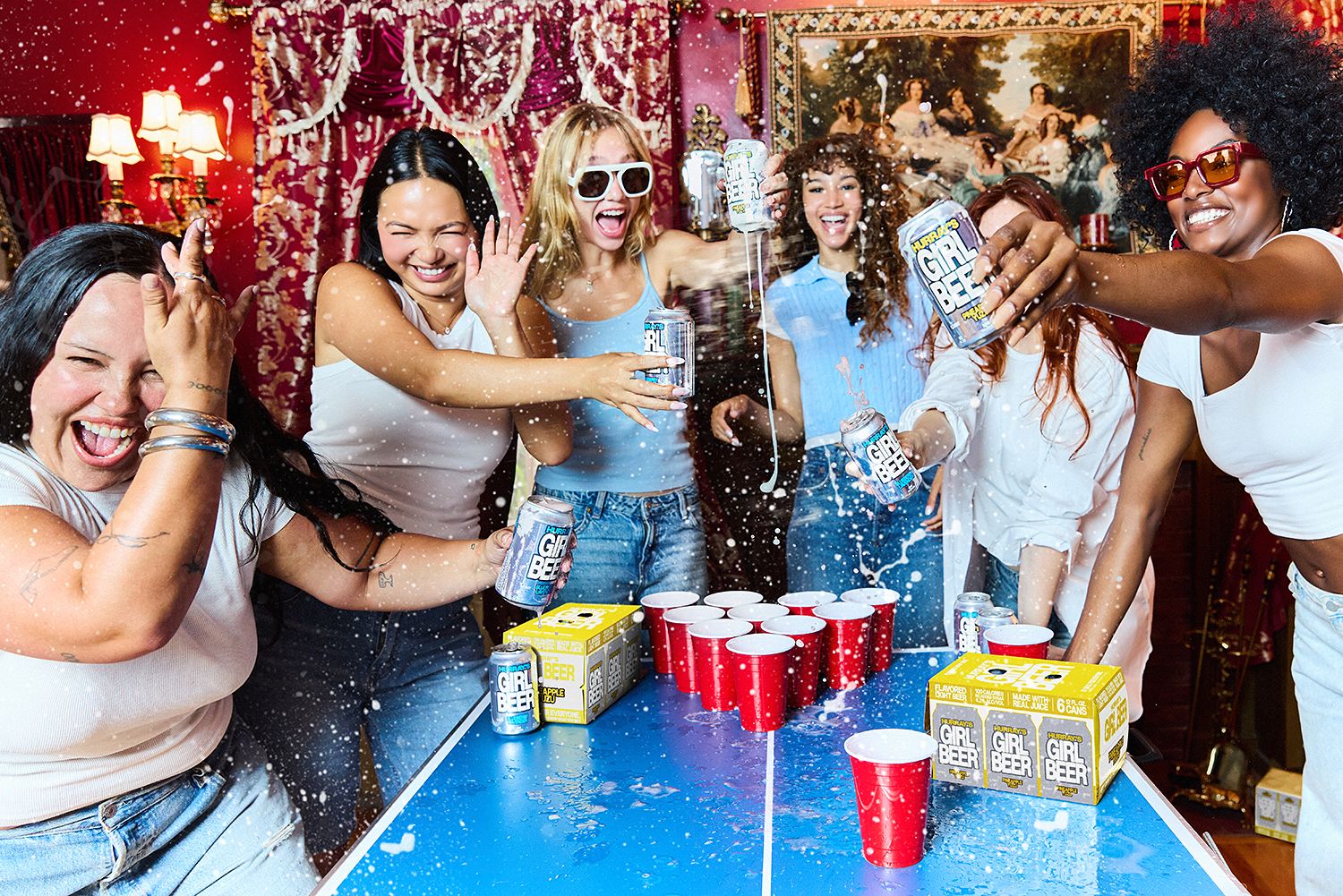

Retouching is often invisible work. How do you feel about that?
I've made peace with being invisible in the final image. That's the job.
If somebody looks at an image and immediately thinks about the retouching, then often something has gone wrong. I don't need my technique to announce itself.
What I care about much more now is being visible in the room: being credited, being consulted early, and being treated as a creative rather than as the cleanup crew at the end of the process.
Those are two very different kinds of visibility.
I'm completely comfortable with the work itself being invisible. I'm less convinced that the people doing it should be.
If you could change something about the culture of the industry, what would it be?
Invite retouchers in earlier.
We love being part of the conversation, and a five-minute chat on set can save hours later and make the work so much better for everyone.
I'd also like to see more honesty about rates and process, more generosity with each other, and more retouchers actually talking to each other instead of quietly competing.
There is so much knowledge in this community, but historically a lot of people have worked in isolation. More openness benefits everyone.
Beyond technical ability, what really determines whether someone builds a lasting career in this industry?
Being someone people are glad to have around at 11pm before a deadline.
You need to be calm, kind, have good judgment and be willing to speak up when something is off.
The tools change every few years. That part doesn't.
Of course technical ability matters, but clients and creative teams also need somebody they can trust when things become difficult. Being excellent when everything is going smoothly is one thing. How you behave when the pressure is on is probably a better measure of whether people want to work with you again.
Retouching is often described as a solitary craft.
How do you keep yourself creatively connected?
I'm actually not alone that much.
I work from home in the middle of family chaos, which keeps me from getting too precious about things. Half the time my workspace probably looks much more chaotic than people imagine when they picture someone doing high-end retouching.
I do have a very dark office that I use when I'm doing critical colour work, but that's only one side of how I work.
I also shoot, collaborate with friends on side projects and try to keep one foot in rooms with other creatives. Sometimes we'll create completely over-the-top photoshoots together just because we can. Those projects matter. There's no client waiting for them and no campaign objective. They're simply a reason to experiment and make something.
When I'm away from the monitors altogether, I'm usually on my paddleboard, somewhere outdoors in Oregon, or finding the next adventure. I'm definitely a "yes" person. I like being involved, helping people and seeing where things go.
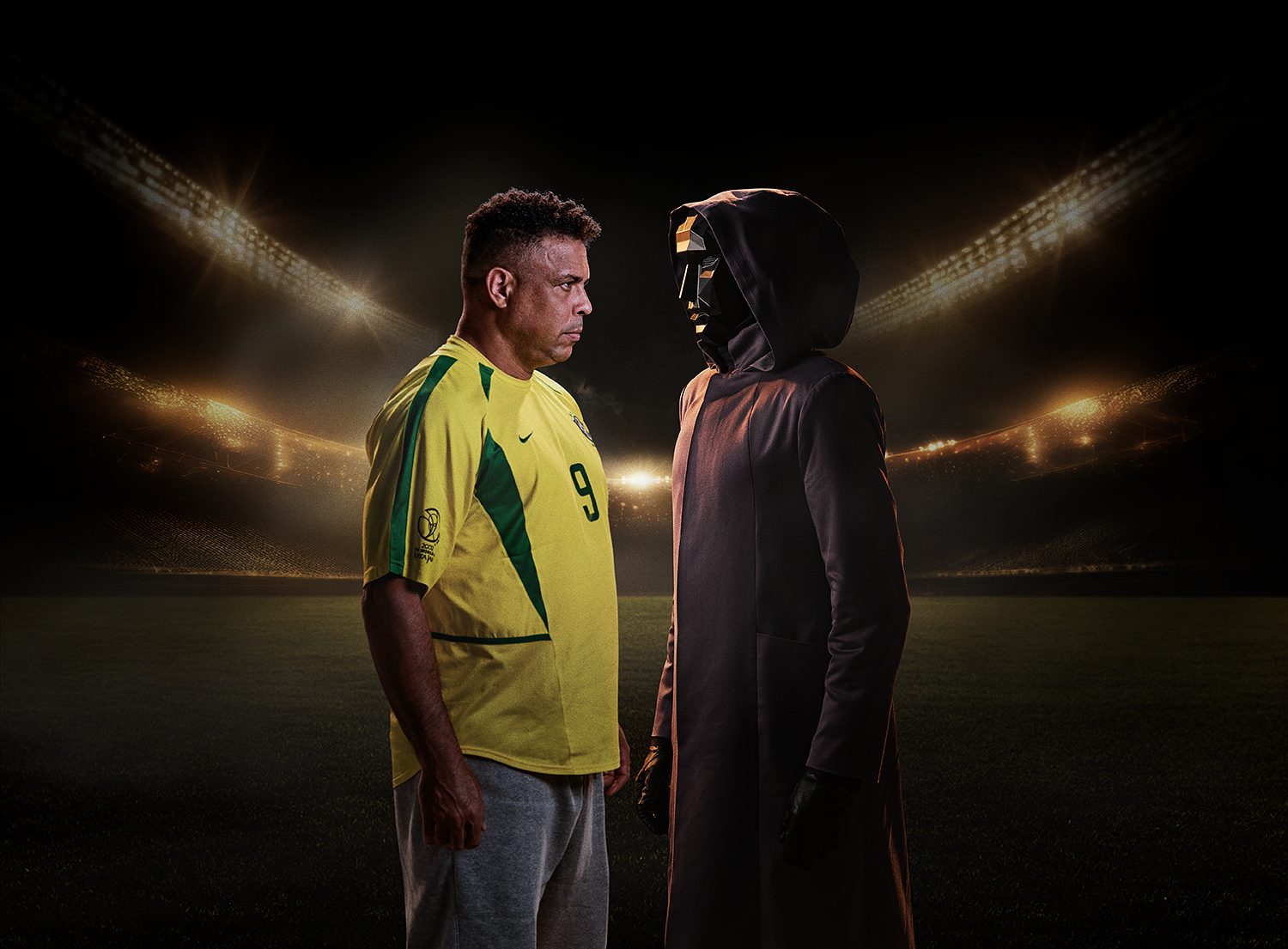
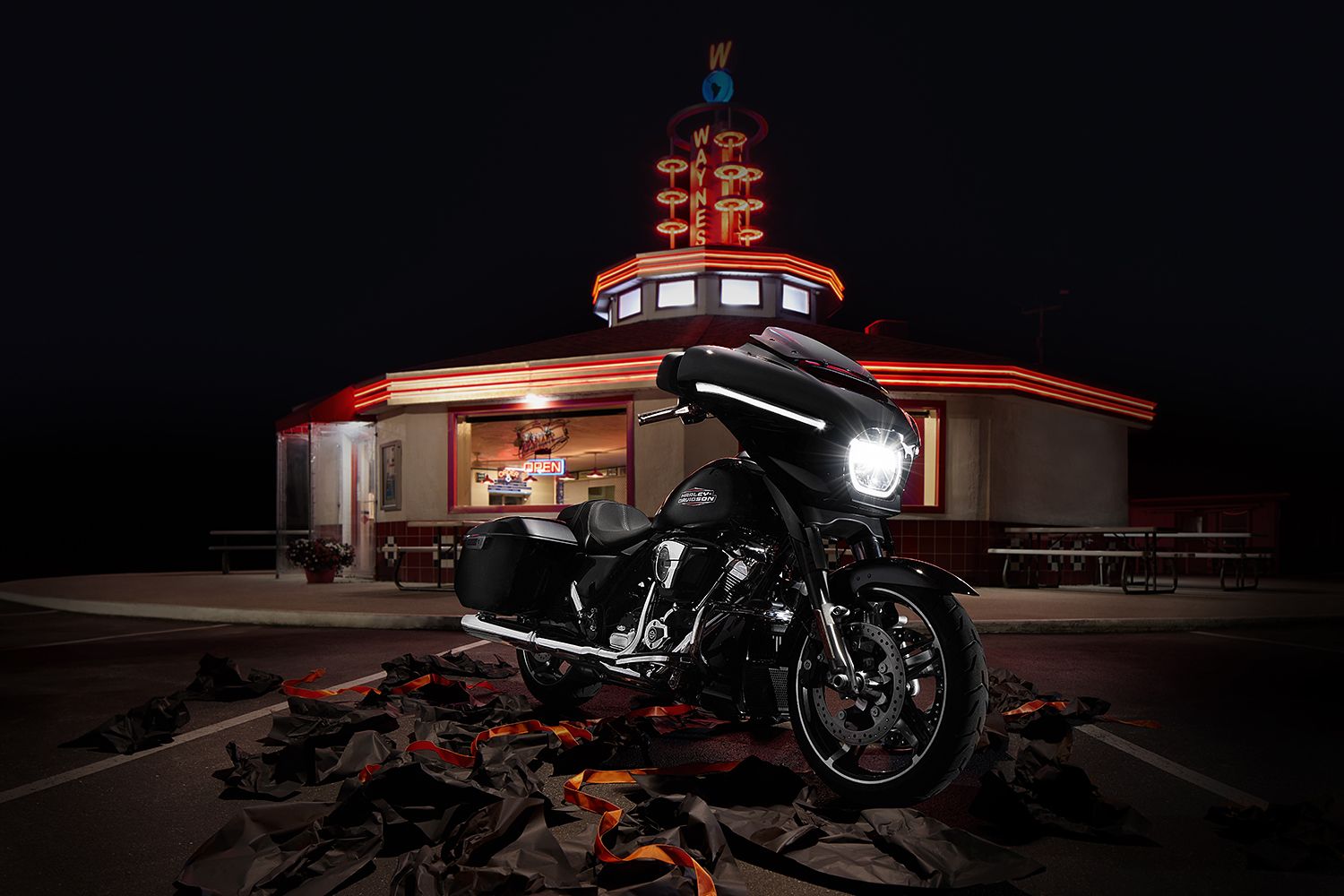
Is there someone whose work genuinely changed the way you see retouching?
Early in my career, I watched a video of Amy Dresser working, and it changed how I saw everything.
The way she handled skin and shaped light was so specific, almost sculptural, and you could recognise it instantly. I also loved Jill Greenberg's portraits, and seeing how Amy's retouching made those images come alive was the first time I really understood that a retoucher could have a voice.
That idea stuck with me.
There is an interesting tension there because I believe strongly in invisible retouching, but invisible doesn't mean without perspective. You can serve the photograph without imposing yourself on it and still bring judgment, sensitivity and a point of view to the work.
When a client pushes back on something you feel strongly about, how do you handle it?
I'll share my case once, with a reason, because I care about how the image turns out.
Then I let it go.
It's their image, and I've been wrong before. I think part of experience is becoming comfortable with that. You can have a strong opinion without needing to win every argument.
The exception is when I think an edit would misrepresent the person in the photograph or could hurt the brand. That's where I'll hold firm and say so, gently but clearly.
For me, that's the line between serving someone's vision and simply agreeing with everything. Collaboration still requires judgment.
Looking back at where you started, what is the biggest thing that has changed about the way you think about an image?
Early on, I fixed everything I could see.
Now I ask what the image needs to say and leave the rest alone.
That's probably one of the biggest things 20 years has taught me. Being able to see something doesn't automatically mean it needs your intervention.
Sometimes the most experienced decision you can make is to leave something exactly where it is.
When the competition is over, what would make you look back and feel that entering was worthwhile?
If I make an image I'm proud of without a client brief shaping it.
That alone is rare enough.
I've spent most of my career working in collaboration with photographers, agencies, art directors and clients. There is usually a purpose, an audience, a campaign and a very specific set of needs surrounding an image.
The competition removes much of that familiar structure.
So being able to make the decisions myself, stand behind them and finish with an image that feels like mine would already make the experience worthwhile.
A final note from us
There is something particularly fitting about Saskia entering Retoucher of the Year after 20 years spent behind images seen by millions of people.
Her answers reveal the kind of confidence that doesn't need to announce itself: knowing when to intervene, knowing when to leave an image alone, knowing when to challenge a decision and knowing when to let it go. Her observation that she has made peace with being invisible in the image, but now wants retouchers to be more visible in the room, speaks to a much bigger conversation happening across the profession.
And perhaps that is what makes her reason for entering so compelling. This isn't about needing a competition to prove she can do the work. It's about finally putting her name beside it.
We are so honoured to welcome Saskia Thomson as a participant in Retoucher of the Year 2026.

About Saskia Thomson
Years in the Industry: 20 years
Primary Specialization: Commercial Retouching and Photography
Based in: Portland, Oregon, USA
Website: saskiaphoto.com
Instagram: @saskiamariephoto
LinkedIn: linkedin.com/in/saskiamarie/
Verified Retoucher Database
We are building a global, skill-verified retoucher database.
A platform where professional standards are documented, structured and transparent.
Skill-verified means professional standards are demonstrated, not claimed.Assessment is category-specific and based on structured test retouching.
Results are measured, scored and displayed transparently on each professional profile.
Secure early access and priority review ahead of public launch.